






Spotlights
Cardiovascular Technician, Echocardiographic Technologist, Cardiac Sonographer, Vascular Technologist, Electrocardiograph Technician, Cardiac Monitoring Technician, Cardiopulmonary Technician, Invasive Cardiovascular Technologist, Diagnostic Cardiac Sonographer, Cardiac Ultrasound Technician, Vascular Sonographer, Cardiology Technician
When you watch a heart beating on a screen during a hospital visit or see clear images of blood flow saving lives, that's the work of Cardiovascular Technologists and Technicians behind the scenes. Their expertise directly helps doctors diagnose heart conditions and vascular diseases, impacting the health and well-being of countless patients.
Cardiovascular Technologists and Technicians perform specialized diagnostic tests that examine the heart and blood vessels. On any given day, they operate equipment like ultrasound machines and electrocardiographs to capture images and tracings of cardiovascular activity. They collaborate closely with cardiologists, nurses, and other healthcare professionals to provide accurate data that guides treatment decisions and surgical planning.
Using advanced medical devices, computer software, and precise patient monitoring methods, these professionals ensure the images and readings are clear and reliable. Their role is critical because accurate cardiovascular diagnostics can mean the difference between early detection of disease and delayed treatment, making their work essential to patient care and recovery.
- Playing a crucial role in diagnosing life-threatening heart and vascular conditions.
- Using cutting-edge technology to create detailed images and data that inform treatment.
- Helping patients understand their health through clear, compassionate communication.
- Being part of a healthcare team that saves lives and improves quality of life every day.
Working Schedule
Cardiovascular Technologists and Technicians usually work full-time in hospitals, clinics, or diagnostic centers. Their schedules often include shifts that can cover evenings, weekends, or holidays because heart emergencies and diagnostic needs happen around the clock. The work environment is clinical and fast-paced, requiring flexibility and readiness to assist in urgent situations. Some may work part-time or as temporary staff, especially in busy medical facilities or during peak times.
Typical Duties
- Preparing patients for cardiovascular diagnostic tests by explaining procedures and positioning them correctly.
- Operating specialized equipment such as echocardiogram machines, electrocardiographs, and vascular ultrasound devices.
- Monitoring patient vital signs during tests to ensure safety and accuracy.
- Capturing and analyzing images or data of heart and blood vessel activity.
- Maintaining and calibrating diagnostic equipment to ensure precise results.
- Recording test results accurately and reporting findings to cardiologists or physicians.
- Assisting with stress tests and other cardiovascular assessments.
- Following strict infection control and safety protocols during procedures.
- Scheduling and coordinating diagnostic tests with healthcare teams.
- Providing emergency assistance during cardiac procedures when needed.
- Educating patients on post-test care or follow-up steps.
- Documenting patient history relevant to cardiovascular health prior to testing.
Additional Responsibilities
- Keeping detailed records of equipment maintenance and usage logs.
- Participating in continuous education to stay updated on new diagnostic technologies.
- Assisting in clinical research or trials related to cardiovascular diagnostics.
- Helping train new technicians or students during clinical rotations.
- Ordering and managing supplies related to diagnostic equipment.
- Ensuring compliance with healthcare regulations and privacy laws.
- Responding quickly to equipment malfunctions or patient emergencies during testing.
- Collaborating with interdisciplinary teams to improve diagnostic procedures and patient care.
A Cardiovascular Technologist’s day often begins by reviewing the day’s scheduled patients and prepping the diagnostic lab or mobile equipment. They check machines and sterilize tools, ensuring everything meets safety standards. They might start by greeting and preparing the first patient, explaining the procedure to ease any anxiety.
Midday involves performing a series of diagnostic tests, such as echocardiograms or electrocardiograms, carefully monitoring patient responses and adjusting equipment as needed. Between patients, they document results, clean equipment, and communicate with doctors about any urgent findings.
Late afternoon and evening can bring consultations with cardiologists or nurses to review complex cases, or assisting with emergency cardiac procedures if necessary. They may also spend time updating patient records and scheduling follow-ups before ending their shift, ready to support the next round of patients at any hour.
Soft Skills
- Attention to detail
- Compassion and empathy
- Strong communication skills
- Problem-solving mindset
- Patience and calm under pressure
- Physical stamina and dexterity
- Teamwork and collaboration
- Critical thinking
- Adaptability and flexibility
- Confidentiality and professionalism
- Time management
- Active listening
Technical Skills
- Proficiency with ultrasound and echocardiography equipment
- Understanding of electrocardiography (ECG) technology
- Knowledge of vascular imaging techniques
- Ability to operate and troubleshoot diagnostic machines
- Familiarity with patient monitoring systems
- Skill in preparing and positioning patients
- Data recording and documentation accuracy
- Infection control procedures
- Basic anatomy and physiology knowledge
- Use of medical software for image analysis
- Invasive Cardiovascular Technologist: Performs diagnostic tests involving catheter insertion into blood vessels to capture detailed heart images.
- Noninvasive Cardiovascular Technologist: Uses external devices like ultrasound to examine cardiovascular health without entering the body.
- Echocardiographic Technologist: Specializes in ultrasound imaging of the heart’s structure and function.
- Vascular Technologist: Focuses on imaging and evaluating blood flow in arteries and veins.
- Cardiac Monitoring Technician: Monitors patients’ heart rhythms over time using ECG and telemetry.
- Electrophysiology Technician: Assists in diagnosing electrical activity and arrhythmias of the heart during specialized studies.
- Cardiopulmonary Technician: Combines cardiovascular and respiratory diagnostics to assess overall cardiopulmonary function.
- Diagnostic Cardiac Sonographer: Expert in creating detailed ultrasound images to assist in heart disease diagnosis.
- Hospitals and Medical Centers
- Cardiology Clinics
- Diagnostic Imaging Centers
- Outpatient Care Centers
- Rehabilitation Facilities
- Research Institutions
- Medical Device Manufacturers
- Healthcare Staffing Agencies
- Veterans Affairs Medical Centers
- University Medical Centers
- Emergency Care Units
- Specialty Cardiovascular Centers
Cardiovascular Technologists and Technicians often face high-pressure situations where accurate readings can directly impact patient treatment. They must maintain focus during lengthy tests and be ready to respond swiftly to emergencies or unexpected patient reactions. The role demands precision and a calm approach to stressful scenarios.
Work hours can be irregular, including night, weekend, or holiday shifts, especially in hospitals that operate 24/7. This means professionals need flexibility and stamina to handle varying schedules and sometimes extended periods on their feet.
The job requires physical endurance due to standing for long periods, moving patients, and handling sensitive equipment. Continuous learning is essential to keep up with evolving technology and medical standards, which can mean extra study and certification outside of work hours.
- Growing use of 3D and 4D ultrasound imaging for more detailed cardiovascular pictures.
- Integration of AI and machine learning to assist in image analysis and diagnostic accuracy.
- Increased demand for noninvasive cardiovascular testing techniques.
- Expansion of telemedicine for remote cardiovascular monitoring and diagnostics.
- Advances in portable and wearable diagnostic devices for real-time heart monitoring.
- Greater emphasis on patient-centered care and education during diagnostic procedures.
- Use of virtual reality (VR) training for cardiovascular technologists to enhance skills.
- Rising need for technicians due to aging populations and increasing cardiovascular disease rates.
- Development of hybrid imaging technologies combining multiple diagnostic methods.
- Stricter regulatory standards for equipment calibration and patient safety protocols.
Many Cardiovascular Technologists and Technicians show curiosity about biology and how the human body works from a young age. They often enjoy science classes and activities involving anatomy, health, or technology, finding fascination in the heart’s role in keeping us alive.
Hands-on interests like experimenting with gadgets, solving puzzles, or volunteering in healthcare settings can also signal a future in cardiovascular technology. Early experiences with teamwork, care for others, and attention to detail help prepare them for this life-saving career.
Becoming a Cardiovascular Technologist or Technician usually requires specialized postsecondary education such as a two-year associate degree or certificate program focused on cardiovascular technology. Coursework combines anatomy, physiology, medical imaging, and hands-on clinical training to prepare students for real-world diagnostic work.
Students can take courses in relevant subjects such as:
- Anatomy and Physiology
- Cardiovascular Technology Fundamentals
- Medical Terminology
- Electrocardiography (ECG) Techniques
- Echocardiography
- Vascular Technology
- Patient Care and Safety
- Medical Ethics and Law
- Clinical Practicum or Internship
- Healthcare Communication
Hands-on clinical experience is vital in this field, so programs include internships or practicums in hospitals or diagnostic labs. Building a strong portfolio of skills and certifications, such as Registered Cardiovascular Technician (RCT), enhances job prospects. Many employers also provide on-the-job training to keep skills current with evolving technology.
- Take biology and health science courses in high school to build foundational knowledge.
- Enroll in anatomy and physiology classes to understand the cardiovascular system.
- Practice math and physics to support understanding of diagnostic equipment.
- Participate in health or science clubs and volunteer in healthcare settings.
- Research accredited cardiovascular technology programs or community colleges.
- Focus on developing communication and teamwork skills.
- Attend career fairs or shadow cardiovascular technologists to learn about the job.
- Prepare for certification exams by studying relevant medical terminology.
- Develop basic computer skills for medical software use.
- Aim for internships or summer programs in hospitals or clinics.
- Choose programs accredited by recognized organizations like CAAHEP (Commission on Accreditation of Allied Health Education Programs).
- Look for programs offering strong clinical practicum opportunities in reputable healthcare settings.
- Ensure the curriculum covers both invasive and noninvasive cardiovascular technology.
- Check if the program prepares students for certification exams such as RCVT or RCS.
- Consider programs that teach the latest imaging technologies and software.
- Seek programs with experienced instructors who have real-world cardiovascular technology backgrounds.
- Evaluate class sizes to ensure personalized attention during lab work.
- Ask about job placement assistance or partnerships with local hospitals.
- Look for opportunities to learn patient interaction and communication skills.
- Verify that the program emphasizes safety and infection control standards.
- Consider flexible scheduling options if balancing work or other commitments.
- Choose a program that fosters continuous learning and professional development.
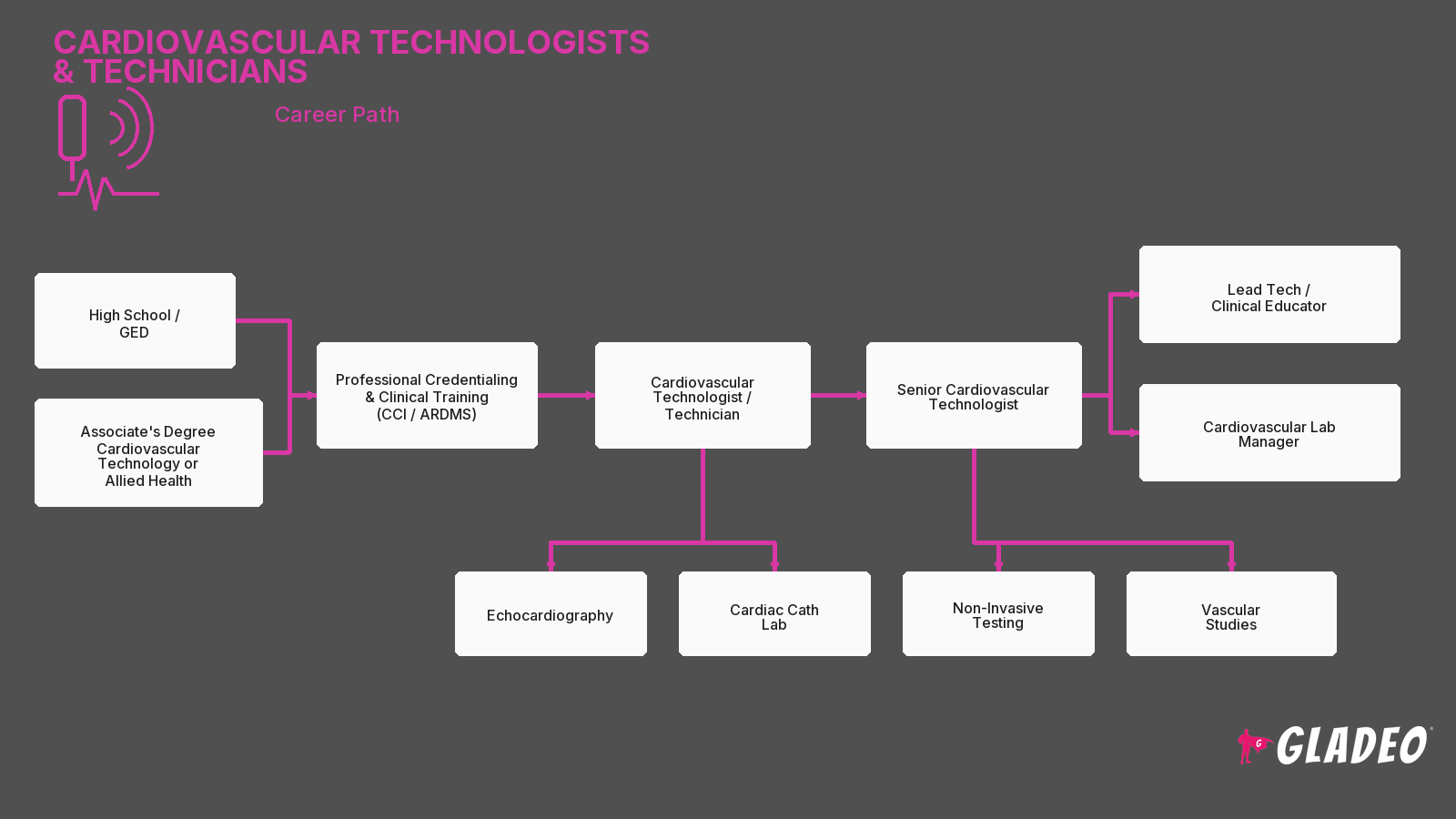
- Apply for entry-level positions such as Cardiovascular Technician Assistant or Cardiovascular Technologist Trainee.
- Build a portfolio showcasing clinical training and any hands-on experience.
- Obtain certification like Registered Cardiovascular Technician (RCT) to improve employability.
- Network with healthcare professionals and instructors for job leads.
- Use hospital and clinic job boards to find openings.
- Prepare for interviews by practicing common questions about patient care and technical skills.
- Showcase communication skills and ability to work under pressure during interviews.
- Be willing to start in smaller clinics or outpatient centers to gain experience.
- Stay open to part-time or temporary work to build a resume.
- Keep learning about new technologies and procedures through workshops or online courses.
- Volunteer or shadow experienced technologists to gain insights and references.
- Maintain professionalism and reliability to build a strong reputation.
- Gain additional certifications like Registered Cardiac Sonographer (RCS) or Registered Vascular Technologist (RVT).
- Develop expertise in specialized areas such as electrophysiology or invasive procedures.
- Seek leadership roles such as Lead Technologist or Supervisor within diagnostic departments.
- Build strong relationships with cardiologists and healthcare teams for mentorship.
- Pursue continuing education and attend professional conferences.
- Consider advanced degrees in cardiovascular technology or related healthcare fields.
- Get involved in training or mentoring new technicians to develop management skills.
- Stay current with emerging technologies and advocate for improvements in diagnostic protocols.
Websites:
- American Society of Echocardiography (ASE) - asecho.org
- Cardiovascular Credentialing International (CCI) - cci-online.org
- Society of Vascular Ultrasound (SVU) - vascular.org
- American Registry for Diagnostic Medical Sonography (ARDMS) - ardms.org
- National Board for Cardiovascular Perfusion (NBCP) - perfusion.org
- Heart Rhythm Society (HRS) - hrsonline.org
- Association of Cardiovascular Technologists (ACT) - cvtecho.org
- Healthcare Information and Management Systems Society (HIMSS) - himss.org
- American Heart Association (AHA) - heart.org
- Radiological Society of North America (RSNA) - rsna.org
- Medical Imaging & Technology Alliance (MITA) - medicalimaging.org
- National Cardiovascular Data Registry (NCDR) - ncdr.com
- Institute of Cardiovascular Ultrasound (ICU) - i-c-u.org
- Society of Diagnostic Medical Sonography (SDMS) - sdms.org
Books:
- Cardiovascular Technology Study Guide by American Society of Echocardiography
- Echocardiography Review Guide by Catherine M. Otto
- Vascular Technology: An Illustrated Review by Nina C. Hadley
- Cardiovascular Sonography: A Practical Guide by James M. Crawford
- Clinical Electrocardiography by Ary L. Goldberger
If a career as a Cardiovascular Technologist or Technician doesn't work out, or if you want to explore related fields, there are many healthcare and technical roles that share similar skills and interests.
- Diagnostic Medical Sonographer
- Radiologic Technologist
- Electrocardiograph (ECG) Technician
- Respiratory Therapist
- Nuclear Medicine Technologist
- Medical Laboratory Technician
- Physical Therapist Assistant
- Paramedic or Emergency Medical Technician (EMT)
- Biomedical Equipment Technician
- Clinical Laboratory Scientist
Newsfeed

Featured Jobs
Online Courses and Tools