





Spotlights
Ceramist, Pottery Designer, Clay Artist, Studio Potter, Ceramic Sculptor, Ceramic Designer, Ceramic Technician, Ceramic Craftsman, Ceramic Maker, Clay Modeler, Ceramic Artisan, Pottery Maker
Imagine walking into a gallery or a home and being captivated by a beautifully crafted vase, bowl, or sculpture — each piece telling a story through its shape, texture, and color. Ceramic Artists transform simple clay into stunning works of art that bring warmth, culture, and creativity into everyday spaces.
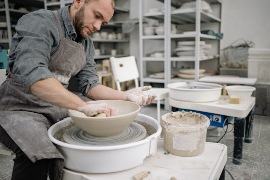
Ceramic Artists design and create pottery and ceramic artworks that can be functional or purely decorative. Their daily work involves shaping clay by hand or on a potter’s wheel, experimenting with glazing techniques, and firing pieces in kilns. They collaborate with gallery owners, interior designers, art directors, and sometimes clients to produce unique pieces that fit specific styles or themes.
Using tools like pottery wheels, sculpting instruments, glazing brushes, and kilns, Ceramic Artists combine traditional craftsmanship with modern technology. Their role is vital in preserving the cultural heritage of ceramics while pushing creative boundaries to make pieces that inspire, decorate, and sometimes serve practical uses.
- Creating tangible art that people can use and admire every day
- Seeing your designs displayed in galleries, homes, or public spaces
- Expressing creativity through unique shapes, textures, and colors
- Mastering a craft that blends both artistic vision and hands-on skill
Working Schedule
Ceramic Artists often work flexible hours that depend on project deadlines, kiln firing schedules, and exhibitions. Many operate from personal studios or pottery workshops and may juggle freelance commissions alongside gallery shows. The work can be seasonal with busy periods leading up to art fairs or holidays. Balancing hands-on crafting time with administrative tasks is common, and some artists teach classes or workshops in addition to creating art.
Typical Duties
- Mix and prepare clay to achieve desired consistency and texture
- Shape clay by hand, wheel, or molds to form pottery or sculptures
- Design and sketch new ceramic pieces and concepts
- Apply glazes and decorative finishes to pottery
- Operate kilns to fire ceramics at precise temperatures
- Experiment with different firing techniques like raku or salt firing
- Collaborate with galleries and clients on custom orders
- Maintain and repair studio tools and equipment
- Document and photograph finished pieces for portfolios
- Manage inventory of raw materials and finished products
- Participate in art shows, exhibitions, and sales events
- Teach pottery techniques in community centers or schools
Additional Responsibilities
- Marketing and promoting artwork through social media and websites
- Packaging and shipping finished pieces safely to buyers
- Maintaining a clean and safe workspace
- Tracking sales, expenses, and project budgets
- Continuing education on new ceramic techniques and trends
- Networking with other artists and industry professionals
- Applying for grants, residencies, or commissions
- Protecting intellectual property and copyrights
Morning often starts with reviewing sketches and planning the day’s projects, checking kiln schedules, and preparing clay batches. Artists may respond to customer inquiries or social media messages early to stay connected with their audience.
Midday is usually dedicated to hands-on work—throwing pots on the wheel, sculpting shapes, or applying glazes. This creative time requires focus and physical effort, as artists mold and refine their pieces.
Afternoons and evenings might include firing ceramics in the kiln, cleaning the studio, photographing finished pieces, or attending meetings with gallery owners or clients. Some artists spend time teaching classes or preparing for upcoming exhibitions during this period.
Soft Skills
- Creativity and artistic vision
- Patience and attention to detail
- Manual dexterity and hand-eye coordination
- Problem-solving and experimentation
- Communication and collaboration
- Time management and organization
- Adaptability and resilience
- Customer service and interpersonal skills
- Self-motivation and discipline
- Networking and marketing savvy
- Teaching and mentoring abilities
- Cultural awareness and appreciation
Technical Skills
- Clay preparation and conditioning
- Throwing techniques on the pottery wheel
- Hand-building and sculpting
- Glazing and surface decoration
- Kiln operation and firing processes
- Color theory and glaze chemistry
- Photography and documentation of artwork
- Digital design tools for sketching
- Studio maintenance and safety protocols
- Packaging and shipping methods
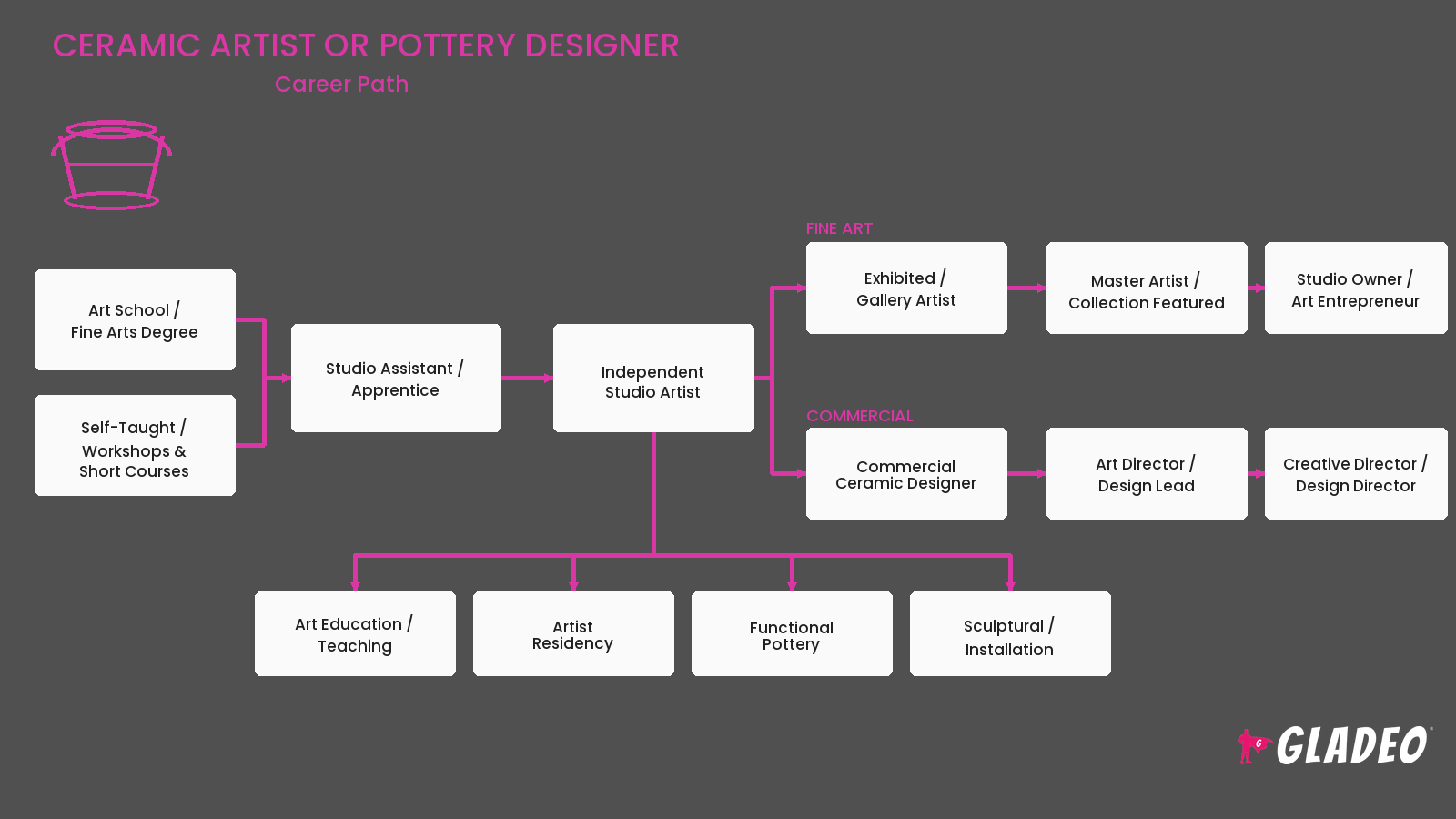
- Functional Ceramic Artist: Focuses on creating practical pottery like bowls, mugs, and plates used daily.
- Sculptural Ceramic Artist: Creates ceramic sculptures that are primarily decorative or conceptual.
- Studio Potter: Works independently in a personal studio crafting limited edition pieces.
- Commercial Ceramic Designer: Designs ceramics for mass production in factories or brands.
- Ceramic Restoration Specialist: Repairs and restores antique or damaged ceramics.
- Ceramic Educator: Teaches pottery and ceramic arts in schools or workshops.
- Experimental Ceramic Artist: Explores innovative materials and firing techniques to push artistic boundaries.
- Art galleries and museums
- Pottery studios and workshops
- Craft fairs and artisan markets
- Educational institutions and art schools
- Ceramic manufacturing companies
- Cultural heritage centers
- Interior design firms
- Community arts organizations
- Art therapy programs
- Online marketplaces for handmade goods
- Artist collectives and cooperatives
- Artist residency programs
- Public arts organizations
Ceramic Artists often face physical demands such as standing for long periods, repetitive hand movements, and handling heavy clay or kiln equipment. Precision and care are necessary to avoid costly mistakes during firing or glazing cycles.
The career can involve unpredictable income, especially for freelance artists relying on commissions and sales. Balancing creative freedom with commercial viability is a common challenge. Deadlines for exhibitions or client orders can create pressure to produce quality work quickly.
Many Ceramic Artists work irregular hours, including weekends or evenings before shows or classes. Maintaining a clean and safe studio environment requires ongoing effort, and handling fragile pieces means careful attention to detail throughout the process.
- Growth of online sales and direct-to-consumer ceramic marketplaces
- Rising demand for handmade and artisanal goods
- Expansion of community pottery studios and shared maker spaces
- Emerging use of 3D printed ceramics and digital fabrication in studio practice
- Rising interest in handmade and artisanal goods boosting demand for unique ceramics
- Sustainability movements encouraging eco-friendly clay and glaze materials
- Experimentation with new firing techniques and mixed media
- Growth of online platforms to sell and promote ceramic art
- Collaborations between ceramic artists and fashion or interior design brands
- Increased focus on cultural heritage and traditional craft preservation
- Use of 3D printing to prototype ceramic designs
- Educational workshops growing in popularity for hobbyists
- Community-based art projects involving ceramics
Many Ceramic Artists discovered their passion early through clay modeling, arts and crafts classes, or visits to pottery studios. A love for hands-on creativity, working with textures, and shaping materials by hand often sparks their interest.
Kids who enjoyed sculpting, painting, and experimenting with colors or who appreciated handmade objects tend to find ceramics a natural fit. Curiosity about how things are made and a patient approach to creating art are common early traits.
Becoming a Ceramic Artist typically involves a mix of formal education and hands-on experience. Many artists earn a bachelor's degree in fine arts, ceramics, or a related field, where they learn foundational techniques and art history. Others develop their skills through apprenticeships, workshops, or community art programs.
Students can take courses in relevant subjects such as:
- Ceramics and Pottery Techniques
- Sculpture and 3D Design
- Art History and Cultural Studies
- Color Theory and Glazing
- Kiln Firing and Safety
- Digital Art and Design Software
- Drawing and Sketching Fundamentals
- Art Marketing and Business
- Materials Science for Ceramics
- Photography and Portfolio Development
Hands-on practice is essential; building a portfolio of finished work helps artists showcase their style and skill to galleries and clients. Internships or assisting experienced ceramicists can provide valuable real-world experience. Continuous learning through workshops and residencies keeps skills fresh and innovative.
- Enroll in art classes focusing on sculpture, drawing, and ceramics
- Join school art clubs or pottery workshops
- Visit local galleries and ceramics studios to observe artists at work
- Participate in art fairs and competitions
- Build a portfolio with diverse ceramic projects
- Attend summer art camps with ceramics focus
- Learn basic business and marketing skills
- Use digital tools for sketching and design
- Explore internships or volunteer opportunities in art studios
- Connect with college programs that specialize in ceramic arts
- Research colleges with strong fine arts or crafts programs
- Prepare a creative and technical portfolio for college applications
- Look for programs with strong hands-on studio time and kiln access
- Choose schools that offer diverse ceramic techniques and materials
- Check faculty experience and connections in the ceramic art community
- Consider programs with internship or apprenticeship opportunities
- Evaluate the availability of scholarships or financial aid
- Prioritize programs with a balanced curriculum of theory and practice
- Seek out schools with active art exhibitions and student shows
- Investigate alumni success and career support services
- Ensure access to modern equipment and safety training
- Look for programs encouraging experimentation and innovation
- Assess class sizes and opportunities for personalized instruction
- Review program reputation within the arts community
- Apply for assistant roles in ceramic studios or galleries to gain experience
- Create and sell small pieces at local craft fairs or online marketplaces
- Build a professional portfolio showcasing a range of skills and styles
- Network with local artists and attend community art events
- Offer to teach beginner pottery classes or workshops
- Volunteer at art festivals to meet industry professionals
- Use social media to promote artwork and connect with buyers
- Seek internships with established ceramic artists
- Apply for artist residencies or grants to fund projects
- Collaborate with interior designers or local businesses for custom commissions
- Participate in group exhibitions to gain exposure
- Develop a personal brand and website to showcase work
- Master advanced pottery and sculpting techniques
- Build relationships with galleries and collectors
- Develop a unique artistic style that stands out
- Expand into teaching or leading workshops
- Collaborate with other artists or brands for special projects
- Apply for artist residencies and grants to fund creative growth
- Create a strong online presence and marketing strategy
- Diversify income streams with commissions, sales, and teaching
Websites:
- Ceramic Arts Network (ceramicartsnetwork.org)
- Pottery Making Info (potterymakinginfo.com)
- American Ceramic Society (ceramics.org)
- Clay Times Magazine (claytimes.com)
- Ceramics Monthly (ceramicsmonthly.org)
- Craft in America (craftinamerica.org)
- The Studio Potter (studiopotter.org)
- Society of North American Goldsmiths (snagmetalsmith.org)
- Handmade in America (handmadeinamerica.org)
- Artful Home (artfulhome.com)
- Etsy for Artists and Makers (etsy.com)
- YouTube channels about pottery and ceramics
- Skillshare and Udemy ceramics courses
- Local arts council websites
Books:
- The Complete Guide to High-Fire Glazes by John Britt
- Mastering the Potter's Wheel by Ben Carter
- The Craft and Art of Clay by Susan Peterson
- Ceramics: A Potter's Handbook by Glenn C. Nelson
- 500 Ceramic Sculptures by Suzanne J. E. Tourtillott
If you love working with clay and creativity but want to explore other paths, there are many related careers that use similar skills and artistic passion.
- Graphic Designer
- Sculptor
- Industrial Designer
- Product Designer
- Art Teacher
- Jewelry Designer
- Textile Artist
- Gallery Curator
- Ceramic Production Specialist
- Interior Designer
Newsfeed

Featured Jobs
Online Courses and Tools