






Spotlights
Flooring Installer, Floor Layer, Carpet Installer, Resilient Floor Installer, Vinyl Floor Installer, Laminate Flooring Installer, Tile Setter, Floor Covering Mechanic, Flooring Technician, Flooring Contractor, Commercial Flooring Installer, Flooring Specialist
Walk into any home, restaurant, hospital, or office building and the first thing your feet touch is somebody's craftsmanship. Floor Covering Installers are the professionals who transform bare, unfinished subfloors into the polished hardwood, cozy carpet, sleek tile, and durable vinyl that make a space feel finished, safe, and welcoming. Every seamless seam, perfectly matched pattern, and flat, squeak-free floor is proof of a job done right.
Floor Covering Installers measure rooms with precision, prepare and level subfloors, and cut, fit, and secure materials like carpet, vinyl, laminate, luxury vinyl plank, and resilient tile to exact specifications. They work closely with general contractors, interior designers, homeowners, and property managers, often coordinating around other trades on a job site to make sure flooring goes in at exactly the right stage of a renovation or new build. Whether they are laying carpet in a single bedroom or covering thousands of square feet in a new office tower, they take pride in a finished surface that looks flawless and holds up to years of foot traffic.
Using tools like power stretchers, seam irons, moisture meters, notched trowels, and laser levels, Floor Covering Installers combine hands-on skill with careful math and pattern-matching. Their work matters far more than it might seem at first glance: a poorly installed floor can buckle, peel, or become a tripping hazard, while a well-installed one lasts for decades and quietly makes every room in a building more comfortable to live and work in.
- Seeing an empty, unfinished room transformed into a beautiful finished space in a single day's work
- Building a hands-on trade skill that is always in demand and hard to outsource or automate
- Taking pride in precise, durable craftsmanship that people notice and appreciate for years
- Having the option to work independently, run your own crew, or start your own flooring business
Working Schedule
Most Floor Covering Installers work full-time during standard weekday business hours, though residential jobs sometimes stretch into evenings or weekends to work around a homeowner's schedule. The job is physically active and takes place on job sites: new construction, remodels, and commercial buildup, meaning installers spend most of their day kneeling, bending, lifting, and moving material rather than sitting at a desk. Many installers work for flooring retailers, contracting companies, or specialty installation firms, while experienced installers often go independent or run their own small crews, which brings more schedule flexibility but also more responsibility for finding and managing jobs.
Typical Duties
- Measuring rooms and calculating the amount of material needed for a job
- Inspecting and preparing subfloors, including leveling, patching, and moisture testing
- Removing old flooring, carpet padding, tile, or adhesive before installation
- Cutting carpet, vinyl, laminate, and tile to fit room dimensions and around obstacles
- Installing tack strips, padding, and carpet using power stretchers and knee kickers
- Laying resilient flooring such as vinyl plank, sheet vinyl, and luxury vinyl tile
- Applying adhesives, underlayment, and transition strips between rooms and flooring types
- Matching patterns, seams, and grain direction for a clean, professional appearance
- Trimming doors and baseboards as needed to accommodate new flooring height
- Inspecting completed work for gaps, bubbles, uneven seams, or loose edges
- Cleaning up job sites and disposing of old materials and packaging
- Communicating with clients or contractors about timelines, material choices, and unexpected issues
Additional Responsibilities
- Estimating material costs and writing job quotes for clients
- Maintaining and repairing tools such as stretchers, trowels, and seam cutters
- Staying current on new flooring products, adhesives, and installation techniques
- Coordinating scheduling with general contractors and other trades on a job site
- Training apprentices or newer installers on technique and safety
- Handling customer service, including addressing complaints or callbacks
- Keeping accurate records of materials used and hours worked for billing
- Following manufacturer warranty requirements so installations remain covered
A Floor Covering Installer's day typically starts early, loading the truck with tools, adhesive, and the flooring material ordered for that day's job. On arrival, they walk the space with the client or contractor to confirm the plan, then clear the room of furniture and old flooring if needed. Before any new material goes down, they check the subfloor for moisture, cracks, or unevenness and make repairs so the new floor will lie flat and last.
Midday is usually the core installation work: measuring and cutting material to fit the room precisely, laying down padding or underlayment, and installing the flooring itself, whether that means stretching carpet into place, snapping laminate planks together, or setting sheet vinyl with careful seam work. This part of the job demands intense focus, since a mismeasured cut can waste expensive material and a sloppy seam will be visible for years.
In the afternoon, installers finish detail work like trimming edges, installing transition strips between rooms, and reinstalling baseboards or door trim. They do a final walkthrough to check for flaws, clean up debris and packaging, and often walk the client through basic care instructions for the new floor. On multi-day commercial jobs, they wrap up by protecting finished areas and prepping tomorrow's section before heading out.
Soft Skills
- Patience and attention to detail
- Physical stamina and hand-eye coordination
- Strong spatial reasoning and visual judgment
- Reliability and punctuality on job sites
- Clear communication with clients and other trades
- Problem-solving when a subfloor or room isn't quite what the plan expected
- Time management to stay on schedule across multiple jobs
- Customer service and professionalism in people's homes and businesses
- Pride in craftsmanship and a strong finished product
- Ability to work both independently and as part of a crew
- Adaptability to different materials and installation methods
- Basic business sense for those who go independent
Technical Skills
- Precise measuring and math, including calculating square footage and material waste
- Reading floor plans and blueprints
- Subfloor preparation, leveling, and moisture testing
- Cutting and fitting carpet, vinyl, laminate, and resilient tile
- Operating power stretchers, knee kickers, and seam irons
- Applying adhesives and understanding cure and dry times
- Pattern matching and seam placement for a seamless look
- Basic carpentry for trim, thresholds, and transition strips
- Knowledge of different flooring product lines and manufacturer specifications
- Safe use of utility knives, trowels, and power tools
- Carpet Installer: Specializes in stretching, seaming, and securing carpet and padding
- Resilient Flooring Installer: Focuses on vinyl plank, sheet vinyl, and luxury vinyl tile
- Laminate Flooring Installer: Installs click-lock and glue-down laminate flooring systems
- Hardwood Flooring Installer: Lays and finishes solid or engineered wood flooring
- Commercial Flooring Installer: Handles large-scale installs in offices, schools, and retail spaces
- Residential Flooring Installer: Specializes in home remodels and new home construction
- Subfloor and Underlayment Specialist: Focuses on prep work that other installers build on
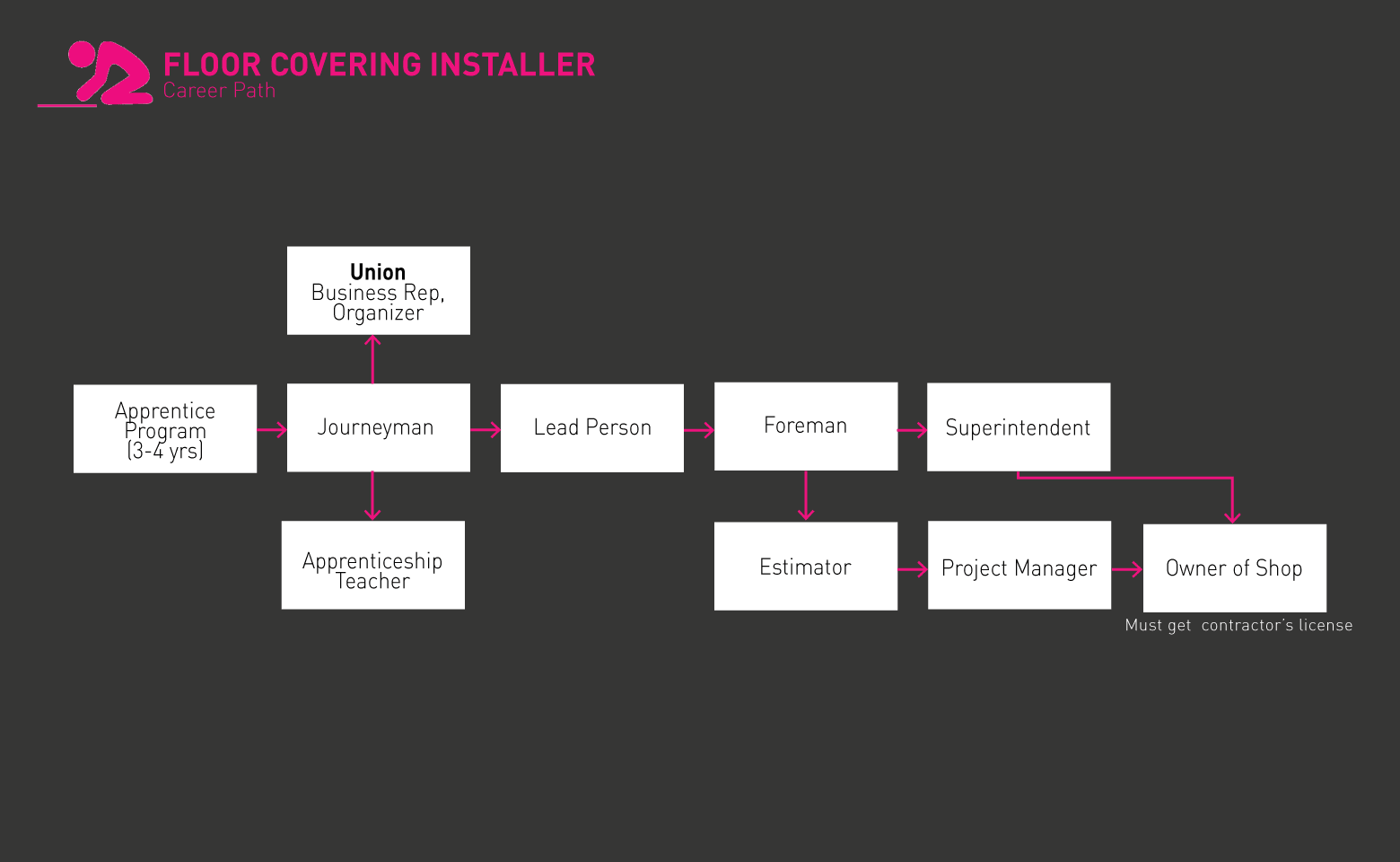
- Flooring Estimator/Project Lead: Measures jobs, orders materials, and manages installation crews
- Flooring retail stores and showrooms
- General contracting companies
- Specialty flooring installation firms
- Home builders and new construction developers
- Commercial property management companies
- Hotel and hospitality renovation contractors
- School districts and government facility maintenance departments
- Independent, self-employed installation businesses
- Big-box home improvement stores with installation services
- Interior design and renovation firms
- Property flipping and real estate investment companies
- Flooring manufacturers offering factory-certified installation crews
Floor Covering Installers work with their bodies all day, kneeling, crouching, and lifting heavy rolls of carpet or boxes of tile for hours at a time. This physical demand adds up over a career, and installers need to take knee and back health seriously, using proper technique and protective gear to avoid long-term injury.
Precision matters enormously in this trade. A single miscut on an expensive material, a seam that doesn't line up, or a subfloor that wasn't properly leveled can mean redoing an entire section of work, eating into both time and profit. Clients also notice flooring immediately, so there is real pressure to get every job right the first time, especially since callbacks for fixes can damage a reputation fast.
Income and schedule can vary, especially for independent installers who deal with the feast-or-famine nature of contract work, chasing payments, and slow seasons. Renovation and new construction deadlines can also create crunch periods where installers work long days to keep a project on schedule, but many find the tradeoff worth it for the independence and pride of visible, lasting craftsmanship.
- Rapid growth in luxury vinyl plank (LVP) and waterproof rigid-core flooring
- Increased demand for eco-friendly and low-VOC adhesives and materials
- Growth of click-lock and floating floor systems that speed up installation
- Rising popularity of large-format tile requiring more precise setting techniques
- More homeowners requesting radiant floor heating installed beneath new flooring
- Use of laser levels and digital measuring tools for greater accuracy
- Demand for commercial-grade, high-traffic flooring in offices and healthcare facilities
- Growth of specialized moisture barrier and subfloor prep products
- Increased use of online project management and scheduling tools by installation crews
- Rising interest in sustainable and recycled-content flooring materials
Many Floor Covering Installers were kids who liked building things with their hands, whether that meant Legos, woodworking projects, or helping a parent with home improvement chores around the house. They often enjoyed puzzles and pattern-based activities, since flooring installation involves a lot of visual planning and precise fitting of pieces.
Others gravitated toward shop class, DIY renovation shows, or helping out on a family member's construction or handyman jobs. A love of seeing a project completed from start to finish, paired with patience for detail work, often pointed these future installers toward a trade where measuring twice and cutting once really pays off.
Most Floor Covering Installers learn the trade through on-the-job training, working as a helper or apprentice under an experienced installer for one to two years before taking on jobs independently. A high school diploma or equivalent is typically expected, and some installers get a head start through vocational or trade school programs that teach flooring installation, blueprint reading, and basic construction skills. Formal apprenticeship programs, offered through trade associations and some unions, combine paid hands-on work with structured classroom instruction.
Students can take courses in relevant subjects such as:
- Construction Technology and Trades
- Blueprint Reading
- Applied Math and Measurement
- Carpentry Basics
- Materials Science for Flooring
- Business Math and Estimating
- Shop Safety and Tool Use
- Customer Service
- Interior Design Fundamentals
- Building Codes and Standards
Hands-on experience is the heart of this trade. Working alongside an experienced installer teaches the feel for subfloor prep, seam work, and pattern matching that can't be learned from a textbook alone. Many installers pursue manufacturer certifications in specific flooring product lines, such as carpet, luxury vinyl, or laminate systems, which can boost credibility and pay. Continued learning through trade association workshops helps installers stay current as new flooring products and installation methods come to market.
- Take construction technology, shop, or trades classes if your school offers them
- Build a strong foundation in geometry and measurement math
- Look for a vocational or CTE program focused on flooring or general construction
- Seek out a part-time or summer job with a flooring retailer or contractor
- Ask to shadow a local flooring installer or contractor for a day
- Join a trade-focused club like SkillsUSA to build hands-on construction skills
- Practice DIY projects at home involving measuring, cutting, and precise fitting
- Research apprenticeship programs offered by flooring trade associations or unions in your area
- Develop physical fitness and body mechanics awareness for a physically demanding trade
- Learn basic customer service and communication skills through part-time retail or service jobs
- Get comfortable using hand tools and basic power tools safely
- Talk to installers about the realities of self-employment versus working for a company
- Programs that include real hands-on installation practice, not just classroom lecture
- Instructors with actual flooring or construction industry experience
- Access to a variety of materials: carpet, vinyl, laminate, and tile
- Manufacturer-recognized certification opportunities built into the curriculum
- Apprenticeship or job placement partnerships with local flooring companies
- Coverage of subfloor prep, moisture testing, and building codes
- Small class sizes that allow real practice time with tools and materials
- Safety training that covers proper lifting, kneeling, and tool use
- Business and estimating coursework for students interested in going independent
- Flexible scheduling for students who want to work while training
- A track record of graduates finding steady installation work
- Reasonable program costs relative to the trade's earning potential
- Apply for helper or apprentice positions with flooring retailers and installation companies
- Reach out to local flooring stores directly, since many hire and train entry-level installers
- Search job boards and company websites for titles like Flooring Installer Helper or Apprentice
- Consider joining a union or trade association apprenticeship program for structured training and pay
- Build a small portfolio of any flooring, carpentry, or home improvement projects you've completed
- Get comfortable talking about your physical stamina and willingness to learn on the job
- Network with contractors, real estate agents, and property managers who hire flooring crews
- Attend local trade or home improvement shows to meet employers and manufacturers
- Highlight any experience with measuring, cutting, or precision handwork on your resume
- Be prepared to demonstrate basic tool safety and handling during an interview or trial day
- Consider starting at a big-box retailer's installation service to build experience fast
- Show up reliably and on time; contractors value dependability as much as skill early on
- Earn manufacturer certifications in specific flooring types to qualify for higher-paying jobs
- Build a reputation for clean, precise work that generates referrals and repeat clients
- Take on more complex jobs, such as large-format tile or intricate pattern work
- Learn to estimate jobs and manage your own material ordering and scheduling
- Consider becoming a crew lead or supervisor overseeing other installers
- Build relationships with contractors and designers who can send steady work your way
- Save toward tools, a vehicle, and licensing needed to go independent or start a business
- Stay current on new products and techniques through trade association training
Websites:
- International Certified Flooring Installers Association (CFI) - cfiinstallers.org
- National Wood Flooring Association (NWFA) - nwfa.org
- World Floor Covering Association (WFCA) - wfca.org
- Floor Covering Installation Contractors Association (FCICA) - fcica.com
- International Standards and Training Alliance (INSTALL) - installfloors.org
- SkillsUSA - skillsusa.org
- Resilient Floor Covering Institute (RFCI) - rfci.com
- Tile Contractors' Association of America (TCAA) - tcaainc.org
- Floor Covering News (FCNews) - fcnews.net
- Floor Trends & Installation Magazine - floortrendsmag.com
- Carpet and Rug Institute (CRI) - carpet-rug.org
- United Brotherhood of Carpenters (UBC) - carpenters.org
Books:
- The Complete Guide to Flooring by Black & Decker Editors
- Working With Tile by Michael Byrne
- Ultimate Guide to Flooring by Creative Homeowner Editors
- Carpentry and Construction by Mark Miller and Rex Miller
- Flooring 101: A Beginner's Guide to Installation by James R. Coleman
If you find that being a Floor Covering Installer isn't the right path for you, there are many related careers where your hands-on skills, precision, and construction know-how can shine.
- Carpenter
- Tile Setter
- Drywall Installer
- General Contractor
- Painter
- Carpet Cleaning Technician
- Home Inspector
- Cabinet Installer
- Flooring Sales Associate
- Construction Estimator
Newsfeed

Featured Jobs
Online Courses and Tools