






Spotlights
Flower Grower, Plant Cultivator, Horticulturist, Nursery Manager, Floral Producer, Greenhouse Technician, Botanical Gardener, Landscape Grower, Plant Propagator, Commercial Grower, Crop Specialist, Plant Farmer
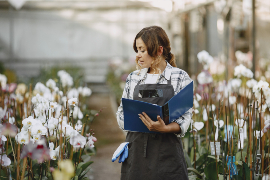
Imagine walking through a vibrant garden or local florist shop filled with colorful, fragrant flowers that brighten someone’s day. Every petal, every bloom you see has been nurtured by a Floriculturist, whose expertise transforms seeds and cuttings into living works of art that enhance homes, celebrations, and environments worldwide.
Floriculturists spend their days growing and caring for flowers and ornamental plants, ensuring they thrive from seed to sale. They work closely with greenhouse managers, botanists, landscape designers, and agricultural suppliers to cultivate healthy, beautiful plants. Their tasks include selecting plant varieties, managing soil and nutrient needs, controlling pests, and monitoring growth conditions to produce flowers for retail, events, or landscaping projects.
Using tools ranging from soil testing kits and irrigation systems to advanced greenhouse technology and plant breeding techniques, Floriculturists combine science and creativity. Their role is vital in delivering high-quality blooms that support the floral industry, beautify spaces, and even contribute to environmental sustainability through responsible cultivation methods.
- Seeing a small seed or cutting flourish into a stunning flower that brings joy to others.
- Contributing to special moments like weddings, holidays, and celebrations through the beauty of flowers.
- Applying both scientific knowledge and artistic sensibility to grow diverse plants and innovate cultivation techniques.
- Working outdoors or in greenhouses surrounded by nature and vibrant colors every day.
Working Schedule
Floriculturists often work full-time in greenhouses, nurseries, or outdoor fields, with schedules that can vary seasonally. During planting and harvesting seasons, they may work longer hours, including weekends, to meet production deadlines. The work environment can range from climate-controlled greenhouses to open fields, requiring adaptability to changing weather and conditions.
Typical Duties
- Selecting flower varieties best suited for local climate and market demand.
- Preparing soil and planting seeds, bulbs, or cuttings.
- Monitoring plant health and growth, adjusting water, light, and nutrient levels.
- Managing pest and disease control using safe, environmentally friendly methods.
- Pruning and shaping plants to encourage healthy growth and attractive blooms.
- Coordinating with suppliers for seeds, fertilizers, and equipment.
- Harvesting flowers at peak quality and preparing them for shipment or sale.
- Maintaining greenhouse climate controls and irrigation systems.
- Recording data on plant growth, pest occurrences, and production yields.
- Training and supervising nursery or greenhouse workers.
- Researching new cultivation techniques and flower varieties.
- Ensuring compliance with agricultural regulations and safety standards.
Additional Responsibilities
- Designing planting schedules to optimize bloom times for market needs.
- Collaborating with florists and landscape designers to meet specific flower requirements.
- Managing budgets and ordering supplies for cultivation operations.
- Maintaining equipment and facilities in good working order.
- Educating staff on best practices in plant care and safety procedures.
- Tracking inventory and coordinating logistics for flower distribution.
- Developing sustainable practices to reduce environmental impact.
- Participating in trade shows or agricultural fairs to showcase plants.
Morning often starts with inspecting plants in the greenhouse or fields to check for signs of stress, disease, or pests. The Floriculturist reviews environmental controls like temperature, humidity, and irrigation schedules to ensure optimal growing conditions.
Midday involves hands-on tasks such as planting new flowers, pruning existing plants, or applying nutrients and pest treatments. They might also analyze soil tests or work on breeding new flower varieties in collaboration with botanists.
Afternoons are often dedicated to record-keeping, planning for upcoming planting cycles, and coordinating with suppliers or clients. Communication with other team members ensures everyone is aligned on production goals and quality standards before wrapping up the day.
Soft Skills
- Attention to detail
- Patience and perseverance
- Strong observation skills
- Problem-solving mindset
- Good communication
- Team collaboration
- Creativity and aesthetic sense
- Time management
- Physical stamina
- Adaptability
- Organizational skills
- Environmental awareness
Technical Skills
- Plant propagation techniques
- Soil and nutrient analysis
- Pest and disease identification
- Greenhouse climate control
- Irrigation system management
- Use of horticultural tools and machinery
- Data recording and analysis
- Floral breeding methods
- Knowledge of agricultural safety standards
- Use of plant growth software and apps
- Greenhouse Floriculturist: Focuses on growing flowers in controlled indoor environments with advanced climate systems.
- Field Floriculturist: Grows flowers outdoors, managing natural weather and soil conditions.
- Tissue Culture Specialist: Propagates plants using laboratory techniques to produce disease-free specimens.
- Floral Crop Breeder: Develops new flower varieties through selective breeding and genetic methods.
- Nursery Manager: Oversees plant production, staff, and business operations in a nursery setting.
- Landscape Floriculturist: Grows plants specifically for landscaping projects and public spaces.
- Organic Floriculturist: Practices cultivation with organic methods avoiding synthetic chemicals.
- Cut Flower Producer: Specializes in growing flowers intended for cutting and floral arrangements.
- Floriculture nurseries and greenhouses
- Agricultural research centers
- Botanical gardens and arboretums
- Commercial flower farms
- Landscape design firms
- Floral wholesalers and distributors
- Environmental conservation groups
- Horticultural trade associations
- Government agricultural agencies
- University agricultural extension programs
- Event and wedding planning companies
- Organic farming cooperatives
Floriculturists often face pressure to produce high-quality flowers on tight schedules, especially leading up to holidays or special events when demand peaks. Weather changes, pest outbreaks, or equipment failures can add stress requiring quick problem-solving.
Work hours can be long and physically demanding, involving standing for extended periods, lifting heavy pots or soil bags, and working outdoors in various weather conditions. Seasonal shifts might require early mornings or weekend work during planting or harvesting.
The role requires balancing scientific precision with creative judgment, managing unexpected challenges like diseases or market fluctuations. Staying current with new cultivation methods and adapting to sustainability trends demands continuous learning and flexibility.
- Increasing use of automated greenhouse systems for climate and irrigation control.
- Growing demand for sustainably and organically grown flowers.
- Integration of digital tools for monitoring plant health and production data.
- Development of new flower varieties through advanced breeding techniques.
- Rising popularity of native and drought-resistant flower species.
- Expansion of floriculture in urban farming and vertical garden setups.
- Emphasis on reducing pesticide use and chemical inputs.
- Collaboration between floriculturists and environmental groups for habitat restoration.
- Use of LED lighting technologies to optimize growth cycles indoors.
- Increased interest in locally sourced and seasonal flowers by consumers.
Many Floriculturists loved spending time outdoors as kids, fascinated by plants, flowers, and gardening. They often enjoyed growing flowers from seeds or helping family members with garden projects, showing early care for living things and nature’s cycles.
They were curious about how plants grow, experimented with different soils and watering routines, and often had a creative streak for arranging flowers or designing small garden spaces. This blend of science and art sparked their passion for floriculture.
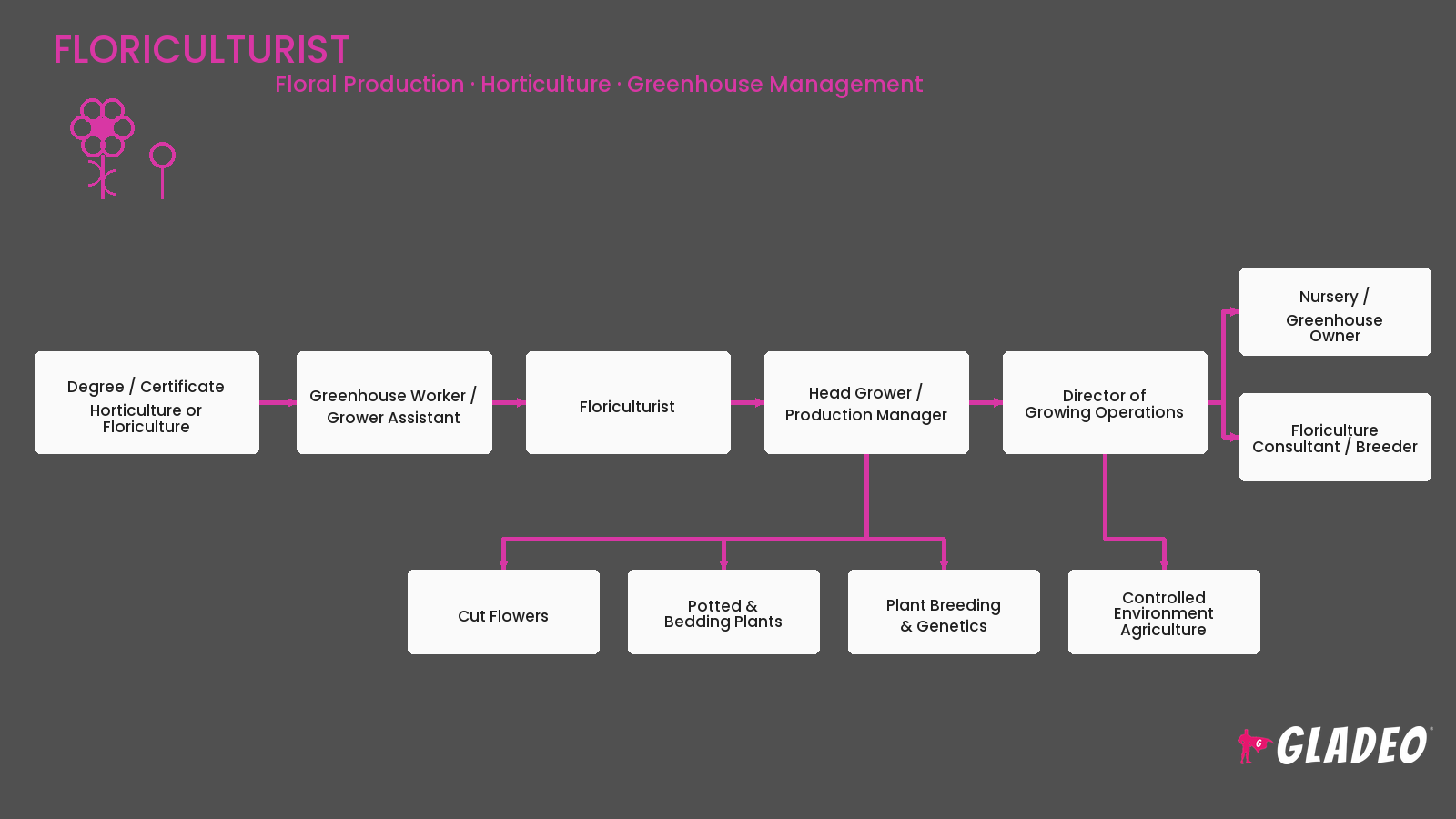
Becoming a Floriculturist typically involves studying horticulture, plant science, or agriculture, often earning a bachelor's degree or specialized certificate. Hands-on experience through internships or apprenticeships is crucial to mastering plant care and propagation techniques.
Students can take courses in relevant subjects such as:
- Plant Biology
- Soil Science
- Horticultural Practices
- Plant Propagation
- Pest Management
- Greenhouse Management
- Plant Physiology
- Botany and Taxonomy
- Landscape Design
- Sustainable Agriculture
Many floriculture professionals build portfolios of their plant projects and gain practical skills through internships at nurseries or botanical gardens. Continuous learning is important to stay up-to-date with new cultivation technologies and environmental practices.
- Take biology and environmental science courses to understand plant life and ecosystems.
- Participate in school gardening clubs or agricultural programs.
- Volunteer or intern at local greenhouses, nurseries, or botanical gardens.
- Develop skills in chemistry and soil science through electives.
- Join 4-H or Future Farmers of America (FFA) for practical agriculture experience.
- Explore art classes to enhance your design and aesthetic sense.
- Attend workshops or summer camps focused on horticulture.
- Research local colleges offering horticulture or plant science degrees.
- Build a portfolio of gardening or plant projects to showcase your skills.
- Network with professionals through agricultural fairs or community events.
- • Look for programs with strong hands-on training and greenhouse labs.
- • Choose schools that offer internships or industry partnerships.
- • Seek programs that cover both plant science and business management.
- • Verify if the curriculum includes sustainable and organic growing methods.
- • Find opportunities for research and work with diverse plant species.
- • Check for access to modern greenhouse technology and equipment.
- • Look for faculty with experience in floriculture or horticulture industries.
- • Consider programs that offer certifications in pesticide safety or plant propagation.
- • Evaluate the availability of career services and job placement support.
- • Prioritize schools with active student organizations in agriculture or horticulture.
- • Look for programs that incorporate digital tools in plant monitoring.
- • Seek opportunities for study abroad or exchange to learn global floriculture practices.
- Apply for internships or entry-level roles at local greenhouses, nurseries, or flower farms.
- Build a portfolio documenting your plant growing projects and skills.
- Network with horticulture teachers, local growers, or agricultural extension agents.
- Learn to identify common pests and diseases and their treatments.
- Develop skills in using irrigation and greenhouse climate control systems.
- Volunteer for plant care tasks and take initiative to learn propagation techniques.
- Attend agricultural fairs or industry workshops to stay informed and meet professionals.
- Practice record-keeping for plant growth and maintenance activities.
- Assist with customer service or sales to understand market demands.
- Request feedback from supervisors and continuously improve your plant care skills.
- Explore certifications related to pesticide application or greenhouse safety.
- Stay informed about new flower varieties and cultivation trends.
- Gain experience by managing larger greenhouse sections or entire nursery operations.
- Develop expertise in plant breeding or pest management specialties.
- Build relationships with suppliers, florists, and agricultural researchers.
- Take advanced courses or certifications in horticulture or business management.
- Lead or train junior staff and interns to demonstrate leadership skills.
- Participate in industry conferences to expand your professional network.
- Start your own small flower-growing business or consulting practice.
- Pursue roles in agricultural research or floriculture product development.
Websites:
- American Society for Horticultural Science (ashs.org)
- Society of American Florists (safnow.org)
- National Greenhouse Manufacturers Association (ngma.com)
- Floriculture and Nursery Association (floriculture.org)
- Botanical Gardens Conservation International (bgci.org)
- Horticulture Innovation Lab (horticulture.ucdavis.edu)
- International Society for Horticultural Science (ishs.org)
- Greenhouse Grower Magazine (greenhousegrower.com)
- The Association of Specialty Cut Flower Growers (ascfg.org)
- U.S. Department of Agriculture – Floriculture Stats (usda.gov)
- Horticulture Week (hortweek.com)
- Garden Center Magazine (gcmagonline.com)
- American Horticultural Society (ahsgardening.org)
- Floral Daily (floraldaily.com)
Books:
- The Flower Farmer by Lynn Byczynski
- Cut Flower Garden by Erin Benzakein
- The Art of Floral Design by Norah Hunter
- Greenhouse Gardener's Companion by Shane Smith
- Floriculture Principles and Species by Gurcharan Singh
If growing flowers isn’t the perfect fit, many related careers let you work with plants and nature in exciting ways that still tap your green thumb and creativity.
- Landscape Designer
- Botanist
- Agricultural Technician
- Plant Geneticist
- Arborist
- Nursery Manager
- Environmental Scientist
- Floral Designer
- Greenhouse Technician
- Soil Scientist
Newsfeed

Featured Jobs
Online Courses and Tools