





Spotlights
Hydroponic Technician, Controlled Environment Agriculture Specialist, Vertical Farming Technician, Aquaponics Specialist, Greenhouse Technician, Plant Production Specialist, Soilless Cultivation Specialist, Indoor Farming Technician, Hydroponics Manager, Crop Production Technician, Sustainable Agriculture Technician, Urban Agriculture Specialist
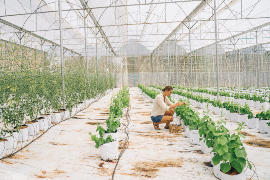
Imagine biting into a juicy, fresh tomato grown without soil, using only nutrient-rich water and cutting-edge technology. Hydroponics Specialists make this possible, revolutionizing how food is produced to feed growing populations sustainably and efficiently.
Hydroponics Specialists design, install, and maintain soilless plant growing systems, working closely with agricultural scientists, engineers, and farmers. They manage nutrient solutions, monitor plant growth, troubleshoot system issues, and optimize conditions to maximize crop yield in greenhouses or indoor farms.
Using tools like pH meters, EC (electrical conductivity) sensors, climate control systems, and specialized software, Hydroponics Specialists ensure plants receive the perfect balance of water, nutrients, light, and air. Their expertise helps produce healthy, pesticide-free food while conserving water and space, making a real impact on sustainable agriculture.
- Watching plants thrive in a high-tech environment you designed and cared for
- Contributing to sustainable food production that conserves resources and supports urban farming
- Solving complex challenges by blending biology, technology, and creativity
- Being part of a cutting-edge agricultural movement that can change how the world eats
Working Schedule
Hydroponics Specialists often work full-time in greenhouses or indoor farming facilities that operate year-round. Their schedule may include early mornings or evenings to monitor plant cycles and adjust systems. They can be employed by farms, research centers, or urban agriculture companies, and sometimes work as consultants. Deadlines may coincide with planting and harvesting schedules, requiring careful planning and flexibility.
Typical Duties
- Setting up and calibrating hydroponic systems including pumps, pipes, and grow lights
- Preparing and mixing nutrient solutions tailored to specific crops
- Monitoring plant health through regular inspections and data collection
- Adjusting environmental controls such as temperature, humidity, and CO2 levels
- Troubleshooting system malfunctions and repairing equipment when needed
- Collaborating with agronomists and biologists to optimize growth protocols
- Recording and analyzing growth data to improve yields
- Maintaining cleanliness to prevent disease and contamination
- Training staff or new technicians on hydroponic best practices
- Ordering and managing supplies such as nutrients, seeds, and growing mediums
- Implementing pest management strategies suitable for controlled environments
- Ensuring compliance with safety and environmental regulations
Additional Responsibilities
- Researching new hydroponic technologies and methods
- Designing experiments to test different nutrient formulas or lighting schedules
- Educating the public or clients about hydroponic farming benefits
- Assisting in marketing or sales presentations for produce grown hydroponically
- Participating in sustainability initiatives and reporting outcomes
- Maintaining detailed logs and reports for facility management
- Coordinating with suppliers and vendors for system components
- Providing technical support for system upgrades and expansions
Mornings start with reviewing environmental data from overnight sensors and visually inspecting plants for signs of stress or pests. Adjustments to nutrient levels or climate controls may be made to keep growth on track.
Midday involves hands-on system maintenance like cleaning filters, checking pumps, and preparing nutrient solutions. Hydroponics Specialists often collaborate with scientists or farm managers to discuss progress and plan upcoming crops.
Afternoons are dedicated to data logging, analyzing plant growth trends, and troubleshooting any system alerts. They may also train team members or prepare reports summarizing plant health and system performance for stakeholders.
Soft Skills
- Problem-solving mindset to tackle unexpected system issues
- Attention to detail for monitoring subtle changes in plant health
- Effective communication to work with diverse teams and explain technical concepts
- Patience and persistence as plants grow on their own schedules
- Adaptability to new technologies and methods in a fast-evolving field
- Teamwork collaborating with scientists, engineers, and growers
- Time management balancing multiple crops and maintenance tasks
- Curiosity and eagerness to learn about plant biology and technology
- Physical stamina for standing and moving equipment during shifts
- Creativity in optimizing growth conditions and resource use
- Analytical thinking to interpret data and improve processes
- Responsibility for safety and environmental standards
Technical Skills
- Knowledge of hydroponic system components and operation
- Ability to prepare and monitor nutrient solutions accurately
- Familiarity with environmental control systems (temperature, humidity, CO2)
- Use of sensors and meters for pH, EC, and moisture measurement
- Understanding plant physiology and growth requirements
- Experience with data logging and analysis software
- Basic troubleshooting and repair of pumps, valves, and lighting
- Knowledge of pest and disease management in controlled environments
- Ability to design and execute growth experiments
- Understanding safety protocols and regulatory compliance
- Commercial Hydroponics Specialist: Focuses on large-scale food production in greenhouses or indoor farms
- Research Hydroponics Specialist: Works in labs or universities developing new growing techniques
- Urban Farming Specialist: Applies hydroponics in city environments, often in vertical farms
- Aquaponics Specialist: Combines hydroponics with fish farming for integrated systems
- Greenhouse Technician: Manages environmental controls and plant health in greenhouse settings
- Sustainable Agriculture Specialist: Focuses on eco-friendly methods and resource conservation
- Crop Production Technician: Handles daily plant care and system maintenance
- Consultant: Advises farms and companies on hydroponic system design and optimization
- Commercial greenhouse farms
- Indoor vertical farming companies
- Agricultural research institutions
- Universities with plant science programs
- Urban farming startups
- Aquaponics facilities
- Agricultural technology companies
- Government agricultural agencies
- Environmental sustainability organizations
- Hydroponic equipment manufacturers
- Food production cooperatives
- Agricultural extension services
Hydroponics Specialists work under pressure to maintain optimal growing conditions, especially as plants are sensitive to fluctuations in nutrient or climate levels. Unexpected system failures can threaten entire crops, requiring quick problem-solving.
Their work schedule can be demanding during critical planting or harvesting periods, sometimes involving early mornings, evenings, or weekend shifts to monitor growth cycles and system performance.
The role requires physical activity, including standing for long periods, lifting equipment, and performing detailed inspections. They must be ready to adapt to new technologies and ongoing learning to keep pace with advances in soilless agriculture.
- Increasing use of automation and AI for system monitoring and control
- Development of vertical farming techniques to maximize urban space
- Integration of renewable energy sources to power hydroponic facilities
- Advancements in LED lighting tailored to specific plant needs
- Use of data analytics and sensors to optimize nutrient delivery
- Growing demand for pesticide-free, locally grown produce
- Expansion of aquaponics combining fish and plant farming
- Focus on sustainable water and resource use
- Collaboration between agriculture and tech startups
- Government support for urban and controlled environment agriculture
Many Hydroponics Specialists were fascinated by gardening, plant science, or technology as children, often experimenting with growing plants at home or in school projects.
Early interests might include science fairs, robotics clubs, or environmental activism, showing curiosity about how living things grow and how technology can solve real-world problems.
Becoming a Hydroponics Specialist typically involves studying agriculture, plant science, or environmental technology at the college level. Hands-on experience with soilless growing methods and controlled environment agriculture is essential to succeed in this field.
Students can take courses in relevant subjects such as:
- Agriculture Science
- Plant Biology
- Soil Science and Plant Nutrition
- Environmental Science
- Biotechnology
- Horticulture
- Controlled Environment Agriculture
- Sustainable Agriculture Practices
- Hydroponic System Design
- Data Analysis and Statistics
Students should seek internships or volunteer opportunities at farms or research centers to build practical skills. Developing a strong portfolio of projects and staying current with new technologies through workshops or certifications will help launch a successful career.
- Take biology and chemistry classes to understand plant and nutrient dynamics
- Join science clubs or environmental groups to explore agriculture concepts
- Participate in agriculture-related extracurriculars like FFA or 4-H
- Learn computer skills including data analysis and basic programming
- Volunteer or intern at local farms or community gardens
- Explore summer programs focused on biotechnology or sustainable farming
- Develop problem-solving and teamwork skills through group projects
- Attend agriculture fairs or trade shows to network and learn about the industry
- Take courses in environmental science and technology
- Practice technical writing to document experiments and observations
- Choose programs with strong hands-on hydroponics or greenhouse components
- Look for colleges offering internships or connections with urban farms
- Select courses covering plant biology, chemistry, and environmental controls
- Seek programs teaching the latest technology in sensors and automation
- Consider certificates in controlled environment agriculture
- Verify faculty expertise and active research in hydroponics
- Join student clubs focused on sustainable agriculture
- Look for programs that include business and marketing aspects of farming
- Find opportunities for interdisciplinary study combining agriculture and technology
- Check for access to modern hydroponic labs or pilot farms
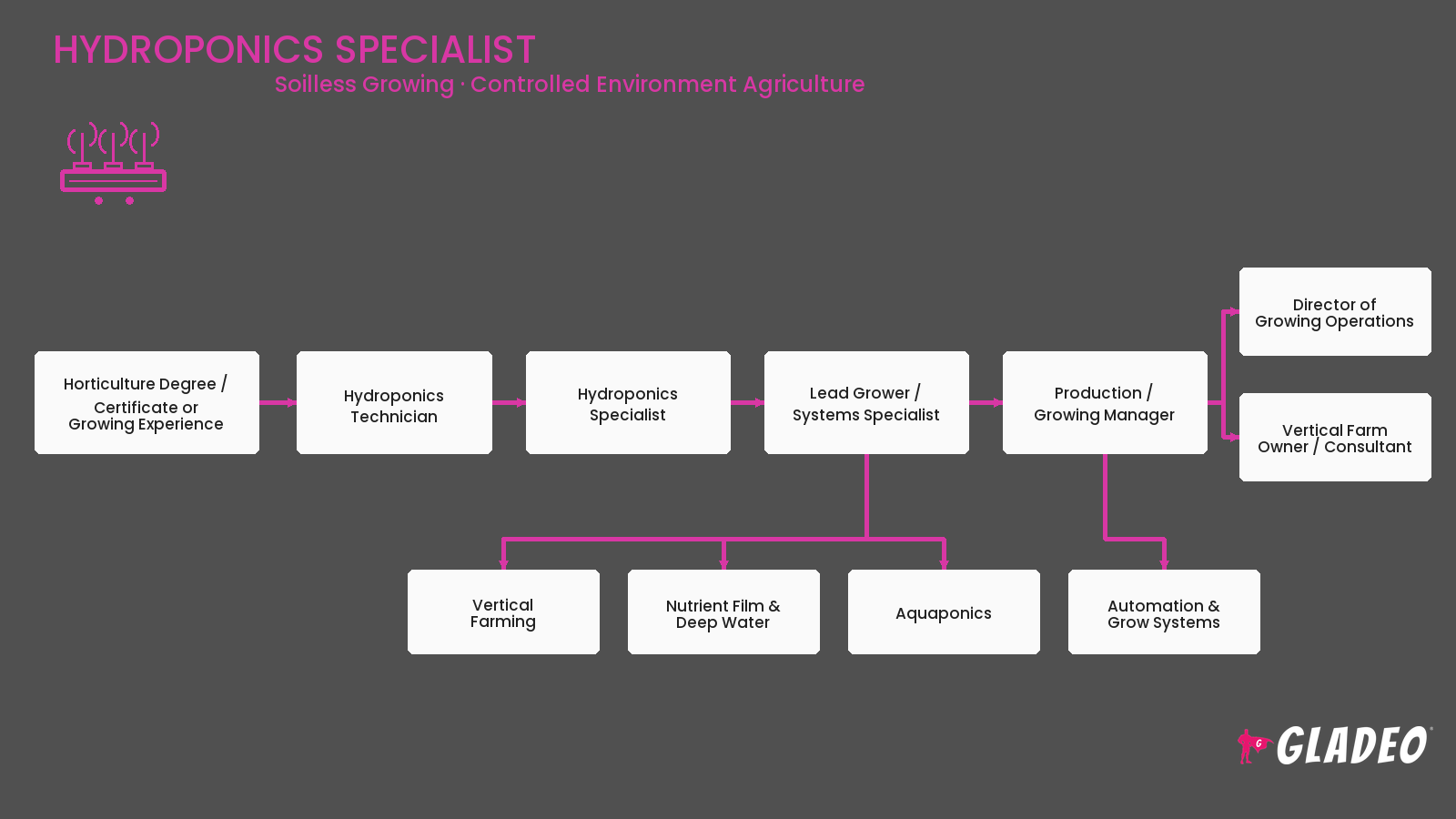
- Apply for internships or entry-level technician roles at greenhouse farms or research facilities
- Build a portfolio documenting your hands-on hydroponics projects
- Network with professionals through agriculture fairs and online forums
- Volunteer for plant care duties in community gardens or urban farms
- Develop skills in system maintenance and nutrient management
- Gain experience with environmental monitoring equipment
- Practice troubleshooting common hydroponic issues
- Learn to use data tracking software for plant growth
- Assist in preparing reports and communicating findings
- Take additional workshops or certifications to stay current
- Seek mentors in the agriculture technology field
- Be willing to start in support roles and learn on the job
- Master advanced hydroponic system design and automation
- Expand knowledge to include aquaponics or vertical farming
- Build leadership skills to manage teams and projects
- Develop expertise in crop-specific growing protocols
- Network with industry experts and attend conferences
- Pursue further education such as a Master’s in plant science or agricultural technology
- Gain experience in research and development roles
- Consider entrepreneurship or consulting opportunities
Websites:
- Association for Vertical Farming (vertical-farming.net)
- American Society for Horticultural Science (ashs.org)
- Controlled Environment Agriculture (cealliance.org)
- Hydroponic Society of America (hydroponicsociety.org)
- Urban Agriculture Network (urbanagriculture.org)
- National Sustainable Agriculture Coalition (sustainableagriculture.net)
- Aquaponics Association (aquaponicsassociation.org)
- Growers Network (growersnetwork.org)
- International Society for Horticultural Science (ishs.org)
- Greenhouse Grower (greenhousegrower.com)
- Agricultural Research Service (ars.usda.gov)
- National Gardening Association (garden.org)
- Modern Farmer (modernfarmer.com)
- CropLife (croplife.com)
Books:
- Hydroponic Food Production by Howard M. Resh
- Plant Factory: An Indoor Vertical Farming System for Efficient Quality Food Production by Toyoki Kozai
- Introduction to Hydroponics by J. Benton Jones Jr.
- Aquaponic Gardening: A Step-By-Step Guide to Raising Vegetables and Fish Together by Sylvia Bernstein
- The Vertical Farm: Feeding the World in the 21st Century by Dr. Dickson Despommier
If a career as a Hydroponics Specialist doesn't fit your path, there are many related jobs that combine agriculture, technology, and environmental science.
- Agricultural Technician
- Greenhouse Manager
- Soil Scientist
- Plant Scientist
- Environmental Consultant
- Agricultural Engineer
- Biotechnologist
- Urban Farmer
- Aquaculture Technician
- Food Scientist
Newsfeed

Featured Jobs
Online Courses and Tools