






Spotlights
Interior Plant Care Specialist, Plant Maintenance Technician, Indoor Plant Technician, Green Space Technician, Commercial Plant Technician, Horticultural Technician, Plant Installation Specialist, Plant Health Technician, Interior Landscape Technician, Indoor Garden Technician
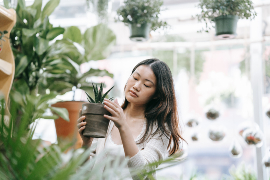
Imagine stepping into a hotel lobby, corporate office, or hospital and instantly feeling calm and refreshed thanks to the lush greenery carefully nurtured within. Interior Plant Technicians create these living environments, transforming indoor spaces into vibrant, healthy, and inviting places through expert care of plants.
Every day, Interior Plant Technicians tend to a variety of indoor plants, ensuring they thrive in environments with limited natural light and controlled temperatures. They monitor plant health, water and fertilize according to species needs, prune damaged leaves, and replace plants as necessary. These professionals collaborate closely with interior designers, facility managers, and building staff to maintain the aesthetic and air quality benefits plants provide.
Using tools like pruning shears, moisture meters, and specialized fertilizers, Interior Plant Technicians apply horticultural knowledge to keep plants healthy and attractive. Their work enhances the atmosphere and well-being of building occupants, improving air quality and contributing to green, sustainable indoor spaces that people enjoy and benefit from every day.
- Creating peaceful, beautiful environments that improve people's moods and productivity
- Working hands-on with living plants and seeing their growth and health improve under your care
- Collaborating with design and facilities teams to shape inviting indoor spaces
- Contributing to healthier indoor air and promoting sustainability through plant care
Working Schedule
Interior Plant Technicians typically work full-time, often during standard business hours, though some positions may require early mornings, evenings, or weekend work to avoid disrupting building occupants. They usually perform their duties on-site in commercial or public buildings, often as part of a facility management or landscaping team. Freelance or contract work is also common, especially for plant installation or specialty care projects. Deadlines may come from scheduled maintenance contracts or client requests, requiring good time management and flexibility.
Typical Duties
- Inspecting indoor plants regularly for signs of pests, disease, or stress
- Watering plants according to species-specific needs and environmental conditions
- Pruning dead or overgrown branches and leaves to promote healthy growth
- Applying fertilizers and soil amendments to maintain plant nutrition
- Replacing dead or unhealthy plants to maintain aesthetic standards
- Cleaning plant containers and surrounding areas to prevent pests and maintain appearance
- Monitoring humidity, light levels, and temperature to optimize plant health
- Documenting plant care activities and reporting any issues to supervisors or clients
- Collaborating with interior designers and facility managers on plant placement and care schedules
- Using horticultural tools safely and effectively during maintenance tasks
Additional Responsibilities
- Advising clients or building staff on plant care best practices
- Assisting with installation and relocation of large indoor plants or green walls
- Ordering and managing inventory of plants, soil, and supplies
- Maintaining tools and equipment in good working order
- Staying informed about new plant species and care techniques
- Conducting minor repairs on plant containers or irrigation systems
- Educating building occupants about the benefits of indoor plants
- Ensuring compliance with safety and environmental regulations
Morning usually begins with reviewing the day's schedule and inspecting all plants in assigned buildings to assess their condition and identify any urgent needs. Technicians may prepare watering and fertilizing plans based on recent weather and indoor environment changes.
Midday involves hands-on care like watering, pruning, and fertilizing. This is often complemented by cleaning leaves, checking for pests, and adjusting plant placement for optimal light. Technicians may also meet with interior designers or facility managers to discuss new installations or maintenance concerns.
Afternoon and evening tasks may include installing new plants, documenting care activities, restocking supplies, and performing equipment maintenance. Some days end with coordinating schedules for ongoing care or training building staff on plant maintenance basics.
Soft Skills
- Attention to detail
- Patience and care
- Good communication
- Problem-solving
- Time management
- Teamwork and collaboration
- Adaptability
- Customer service orientation
- Physical stamina
- Observation skills
- Dependability
- Creativity
Technical Skills
- Plant species identification
- Horticultural care techniques
- Pest and disease recognition
- Use of watering and pruning tools
- Soil and fertilizer knowledge
- Humidity and light monitoring
- Plant installation methods
- Basic equipment maintenance
- Safety protocols
- Commercial Plant Technician: Focuses on maintaining plants in offices, hotels, and retail spaces
- Residential Interior Plant Technician: Works in homes and private properties, often with customized plant care
- Green Wall Technician: Specializes in vertical gardens and living walls inside buildings
- Atrium Plant Care Specialist: Manages large indoor plant displays in open lobby areas
- Hydroponic Plant Technician: Maintains plants grown in water-based systems indoors
- Plant Installation Technician: Focuses on setting up new plants and indoor landscapes
- Sustainable Plant Technician: Emphasizes eco-friendly practices and native plant species indoors
- Event Plant Technician: Prepares and maintains plants for temporary displays at events
- Interior landscaping companies
- Facility management firms
- Commercial real estate companies
- Hospitality industry (hotels, resorts)
- Healthcare facilities
- Corporate offices
- Retail chains and shopping malls
- Botanical gardens and conservatories
- Environmental consulting firms
- Educational institutions
- Event planning companies
- Government agencies
Interior Plant Technicians often work on their feet for long periods, carrying plants and supplies, which requires physical stamina and comfort with manual labor. They must be comfortable working indoors in varying conditions, sometimes in tight or awkward spaces.
The role can involve pressure to maintain plants looking perfect for clients and building occupants, requiring quick problem-solving when plants show signs of stress or pests. Deadlines tied to scheduled maintenance can create time constraints.
Technicians may face the challenge of balancing multiple sites or clients, requiring excellent organizational skills. Work may occasionally require early or late hours to avoid disruption, and travel between sites can be frequent.
- Growing demand for biophilic design in commercial spaces
- Increased use of sustainable and low-maintenance plant species
- Advancements in automated irrigation and sensor technology
- Rising interest in air-purifying plants for health benefits
- Integration of living walls and vertical gardens indoors
- Use of organic and eco-friendly fertilizers and pest control
- Greater collaboration between plant technicians and interior designers
- Growing awareness of mental health benefits of indoor plants
- Expansion of remote monitoring tools for plant health
- Increased training and certification programs for plant care professionals
Many Interior Plant Technicians were drawn to nature and gardening activities as kids, often enjoying caring for houseplants or helping in gardens. A fascination with how plants grow and thrive indoors often sparked early interest.
They typically enjoyed hands-on projects, nurturing living things, and experimenting with plant arrangements. Early curiosity about plant care, combined with an eye for design and detail, often pointed toward this career path.
Becoming an Interior Plant Technician usually involves a blend of horticulture education and hands-on experience. Many start with specialized training programs, certificates, or associate degrees focusing on plant science, landscaping, or greenhouse management.
Students can take courses in relevant subjects such as:
- Botany and Plant Science
- Horticulture Principles
- Soil Science and Fertilizers
- Pest and Disease Management
- Botanical Illustration or Plant Identification
- Environmental Science
- Interior Design Basics
- Plant Propagation Techniques
- Safety and Equipment Handling
- Customer Service Skills
Hands-on practice is crucial in this career, so internships, apprenticeships, and work-study programs help students build real-world skills. Many technicians continue learning on the job, gaining expertise with specific plant species and client needs.
- Take science courses like biology and environmental science
- Enroll in agriculture or horticulture electives if available
- Join gardening or environmental clubs
- Volunteer at botanical gardens or plant nurseries
- Develop skills in communication and customer service
- Explore internships or summer jobs in landscaping or plant care
- Practice caring for houseplants at home
- Learn basic interior design principles
- Use technology for plant care, like moisture sensors
- Build a portfolio of plant care projects
- Look for programs with strong horticulture or plant science courses
- Choose schools offering hands-on labs and internships
- Seek programs that include pest and disease management training
- Find courses teaching sustainable and eco-friendly practices
- Consider programs that cover interior design collaboration
- Look for certifications recognized by industry groups
- Check if programs teach use of irrigation and monitoring technology
- Prefer schools with access to greenhouses or indoor plant facilities
- Explore programs with career placement support
- Attend workshops and seminars on latest plant care trends
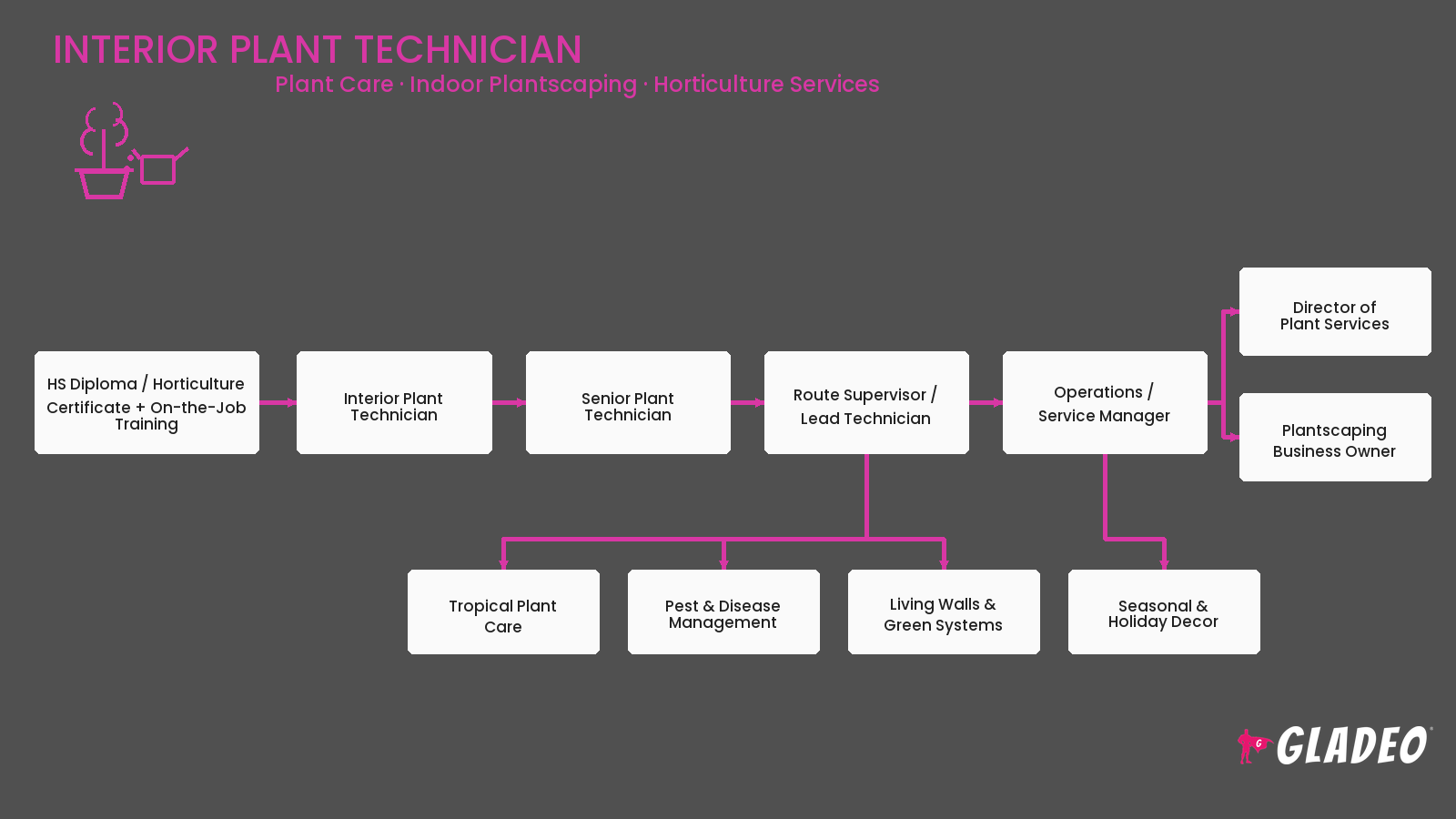
- Apply for entry-level positions with interior landscaping firms or facility management companies
- Build a portfolio showcasing plant care experience
- Volunteer to assist plant technicians in local botanical gardens
- Attend trade shows or conferences to network
- Develop strong communication skills for client interactions
- Learn to use common horticultural tools and software
- Be willing to start with routine maintenance tasks
- Ask for feedback and mentorship from experienced technicians
- Stay organized and reliable to build trust with employers
- Keep learning about new plant species and care methods
- Practice problem-solving for plant health issues
- Gain experience with plant installation and removal
- Gain certifications in horticulture or plant care specialties
- Develop expertise in pest and disease management
- Build strong relationships with interior designers and facility managers
- Take on larger or more complex plant installations
- Learn to manage plant care teams or projects
- Expand skills in sustainable and eco-friendly plant care
- Stay current with industry technology and trends
- Consider moving into sales or consulting roles
Websites:
- Association of Professional Landscape Designers (APLD)
- Interior Plantscape Professionals Association (IPPA)
- American Horticultural Society
- Green Roofs for Healthy Cities
- International Society of Arboriculture
- The Horticulture Society
- Plant Care Today
- National Gardening Association
- Botanical Gardens Conservation International
- Environmental Horticulture Society
- Society for Commercial Arboriculture
- Green Industry Pros
- Plant Care Technology News
- Indoor Plant Care Forum
Books:
- The Interior Plantscape Manual by Steven B. Robinson
- Indoor Plant Care: Tips and Techniques by Lisa Eldred Steinkopf
- The Plant Care Handbook by Jane Smith
- Green Walls and Indoor Gardens by Michelle Williams
- The Art of Indoor Plant Design by Mark Johnson
If interior plant care isn’t the perfect fit, many related careers let you work with plants, design spaces, or care for the environment in exciting ways.
- Landscape Technician
- Greenhouse Technician
- Botanical Garden Assistant
- Pest Management Specialist
- Environmental Scientist
- Sustainable Agriculture Specialist
- Interior Designer
- Facility Maintenance Technician
- Urban Farmer
- Horticulturist
Newsfeed

Featured Jobs
Online Courses and Tools