





Spotlights
Interior Plant Designer, Commercial Plant Stylist, Botanical Interior Designer, Green Space Specialist, Interior Horticulturist, Plant Installation Specialist, Workplace Environment Designer, Indoor Landscape Coordinator, Residential Plant Stylist, Environmental Plant Consultant, Office Greenery Planner, Living Space Plant Designer
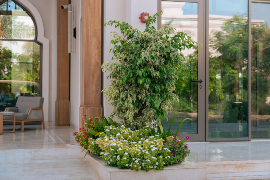
Imagine walking into a hotel lobby, office, or restaurant and feeling instantly calmer, inspired, or refreshed. That atmosphere is often thanks to an Interiorscape Specialist, who transforms indoor spaces with living plants and natural elements to create vibrant, healthy environments.
Interiorscape Specialists design, install, and maintain indoor plant arrangements that enhance aesthetic appeal and improve air quality. They collaborate closely with interior designers, facility managers, and clients to select plants that thrive indoors and align with the space’s style and function. Their day-to-day includes plant care, arranging displays, troubleshooting plant health, and ensuring everything looks fresh and inviting.
Using horticultural knowledge, design principles, and tools like pruning shears, watering systems, and computerized plant care schedules, Interiorscape Specialists make sure every plant arrangement flourishes. Beyond just decoration, their work contributes to wellness and productivity by bringing nature inside, making spaces more enjoyable and healthier for everyone.
- Creating beautiful, calming environments that brighten people’s days and spaces.
- Seeing plants you’ve nurtured thrive and transform an indoor area.
- Collaborating with designers and clients to bring creative, living art to life.
- Contributing to healthier indoor air and better moods through natural elements.
Working Schedule
Interiorscape Specialists typically work full-time hours, often during regular business days. Their work environment varies from offices and hotels to retail spaces and private homes. They may be employed by design firms, plant service companies, or work freelance. Deadlines arise around project installations or seasonal updates, requiring some flexibility and occasional overtime to meet client expectations.
Typical Duties
- Assess indoor spaces to determine best plant types and designs.
- Select and procure healthy plants suitable for indoor environments.
- Design plant arrangements that enhance aesthetics and match client preferences.
- Install plants, containers, and irrigation or lighting systems.
- Regularly water, prune, and care for plants to maintain health and appearance.
- Monitor plant health and treat pests or diseases as needed.
- Collaborate with interior designers, facility managers, and clients to adjust designs.
- Manage budgets and schedules for plant care and installations.
- Educate clients on basic plant maintenance and care.
- Update plant displays seasonally or as requested.
Additional Responsibilities
- Ordering supplies such as soil, pots, fertilizers, and decorative accessories.
- Maintaining inventory of plants and materials.
- Training junior staff or interns on plant care techniques.
- Documenting plant care routines and schedules.
- Ensuring compliance with safety and environmental standards.
- Providing cost estimates and proposals to clients.
- Participating in trade shows or industry events to stay updated.
- Researching new plant varieties and design trends.
Mornings often start with reviewing care schedules and inspecting all plants for health issues like pests or dryness. Specialists may visit multiple sites to check plant conditions and make adjustments.
Midday involves hands-on work such as pruning, watering, re-potting, and arranging new plants for upcoming installations. They coordinate with clients or designers by phone or in person to discuss ongoing projects and preferences.
Afternoons focus on installations or redesigns, setting up plant displays with attention to lighting and space flow. The day usually ends with updating care logs, ordering needed supplies, and planning for future client visits or seasonal changes.
Soft Skills
- Attention to detail
- Creativity and artistic sense
- Strong communication and client service
- Problem-solving and adaptability
- Patience and nurturing attitude
- Time management
- Collaboration and teamwork
- Organizational skills
- Physical stamina
- Customer education and coaching
- Responsiveness to feedback
- Observational skills for plant health
Technical Skills
- Plant identification and botany basics
- Soil and fertilizer knowledge
- Pruning and propagation techniques
- Irrigation system setup and maintenance
- Pest and disease management
- Use of horticultural tools (shears, sprayers)
- Basic interior design principles
- Inventory and supply management
- Computer skills for scheduling and budgeting
- Understanding of lighting requirements for plants
- Residential Interiorscape Specialist: Designs and maintains plant arrangements in homes.
- Commercial Interiorscape Specialist: Focuses on offices, hotels, and retail spaces.
- Event Interiorscape Specialist: Creates temporary plant displays for events and exhibitions.
- Sustainable Interiorscape Specialist: Uses eco-friendly plants and materials.
- Corporate Interiorscape Manager: Oversees large-scale plant programs for companies.
- Retail Interiorscape Consultant: Advises stores on plant selections and care.
- Healthcare Interiorscape Specialist: Designs healing environments with therapeutic plants.
- Hospitality Interiorscape Specialist: Enhances guest experiences in hotels and restaurants.
- Interior landscaping companies
- Commercial real estate firms
- Hospitality businesses (hotels, resorts)
- Healthcare facilities
- Retail chains and malls
- Event planning companies
- Corporate offices
- Design and architecture firms
- Plant nurseries and garden centers
- Municipal building management
- Educational institutions
- Freelance/self-employed setups
Interiorscape Specialists often face tight deadlines, especially when preparing spaces for special events or client openings. The pressure to keep plants healthy and displays flawless can be intense, requiring quick problem-solving when plants don’t thrive as expected.
Work hours are usually standard business times but can extend to evenings or weekends for installations or emergencies. The role demands physical activity—lifting pots, bending, and moving plants—which means being physically fit is important.
Patience and resilience are key, as plants can be unpredictable and client preferences may change. Specialists must balance artistic vision with practical care and client satisfaction, often revising designs or schedules to meet evolving needs.
- Growing demand for biophilic design in offices and public spaces.
- Increased use of sustainable and native plant species indoors.
- Integration of smart irrigation and lighting technology for plant care.
- Rise of vertical gardens and living walls as popular design elements.
- Focus on air-purifying plants to improve indoor air quality.
- Blending of plant design with wellness and mental health initiatives.
- Use of augmented reality tools for client presentations.
- Expansion of remote monitoring systems for plant health.
- Customization of plant arrangements to reflect brand identity.
- Growing interest in edible and herb plants inside homes and restaurants.
Kids who enjoyed gardening, caring for plants, or creating green spaces often find a natural fit as Interiorscape Specialists. Those who loved arranging flowers or enjoyed art projects related to nature likely developed early skills useful in this career.
Young people who are curious about how plants grow indoors, have an eye for design, and enjoy helping people feel comfortable in spaces may dream of turning those passions into a profession focused on indoor landscaping and plant care.
Becoming an Interiorscape Specialist usually involves a mix of formal education and hands-on experience. Many professionals start with studies in horticulture, interior design, or landscape architecture, while technical training programs offer practical skills in plant care and installation.
Students can take courses in relevant subjects such as:
- Botany and Plant Science
- Horticulture and Plant Care
- Interior Design Principles
- Environmental Science
- Plant Propagation Techniques
- Soil and Fertilizer Use
- Pest and Disease Management
- Irrigation Systems
- Business Management
- Customer Service Skills
Besides coursework, building a portfolio of plant design projects and gaining experience through internships or entry-level jobs is crucial. Continuous learning about new plant varieties, care techniques, and design trends keeps specialists at the top of their field.
- Take biology and environmental science classes to understand plant life.
- Enroll in art or design courses to develop aesthetic skills.
- Join gardening clubs or community green projects.
- Volunteer in plant nurseries or botanical gardens.
- Explore internships with local landscaping or interiorscape companies.
- Attend workshops on plant care and design software.
- Consider summer programs focused on horticulture or interior design.
- Build a portfolio with photos of plant arrangements you create.
- Research colleges offering horticulture or interior design degrees.
- Network with professionals in the field through events or social media.
- Look for programs that combine horticulture and interior design courses.
- Choose schools with hands-on labs or greenhouse facilities.
- Seek programs offering internships or industry partnerships.
- Verify availability of courses on plant health and pest management.
- Ensure the curriculum includes business skills and client communication.
- Consider certifications in plant care or interior landscaping.
- Check for programs teaching use of design and scheduling software.
- Find programs emphasizing sustainable and eco-friendly practices.
- Look for faculty with real-world interiorscape experience.
- Select schools with a strong alumni network in the design and landscaping fields.
- Apply for entry-level positions at interior landscaping companies or plant nurseries.
- Build a portfolio showcasing your plant arrangements and care skills.
- Volunteer for community projects to gain experience.
- Network with interior designers and facility managers.
- Create a professional social media presence focused on plant design.
- Practice basic plant maintenance and pruning skills.
- Learn to use scheduling and inventory software.
- Attend trade shows and industry events to meet employers.
- Seek mentorship from experienced Interiorscape Specialists.
- Prepare for interviews by studying common client questions.
- Offer to assist with installations or maintenance to gain hands-on experience.
- Stay current on popular plant species and design trends.
- Develop expertise in plant species and care techniques.
- Build strong relationships with interior designers and clients.
- Expand skills in project management and budgeting.
- Take certifications in horticulture or design specialties.
- Lead larger projects or manage teams.
- Stay updated on industry trends and technologies.
- Gain experience in sustainable and eco-friendly design.
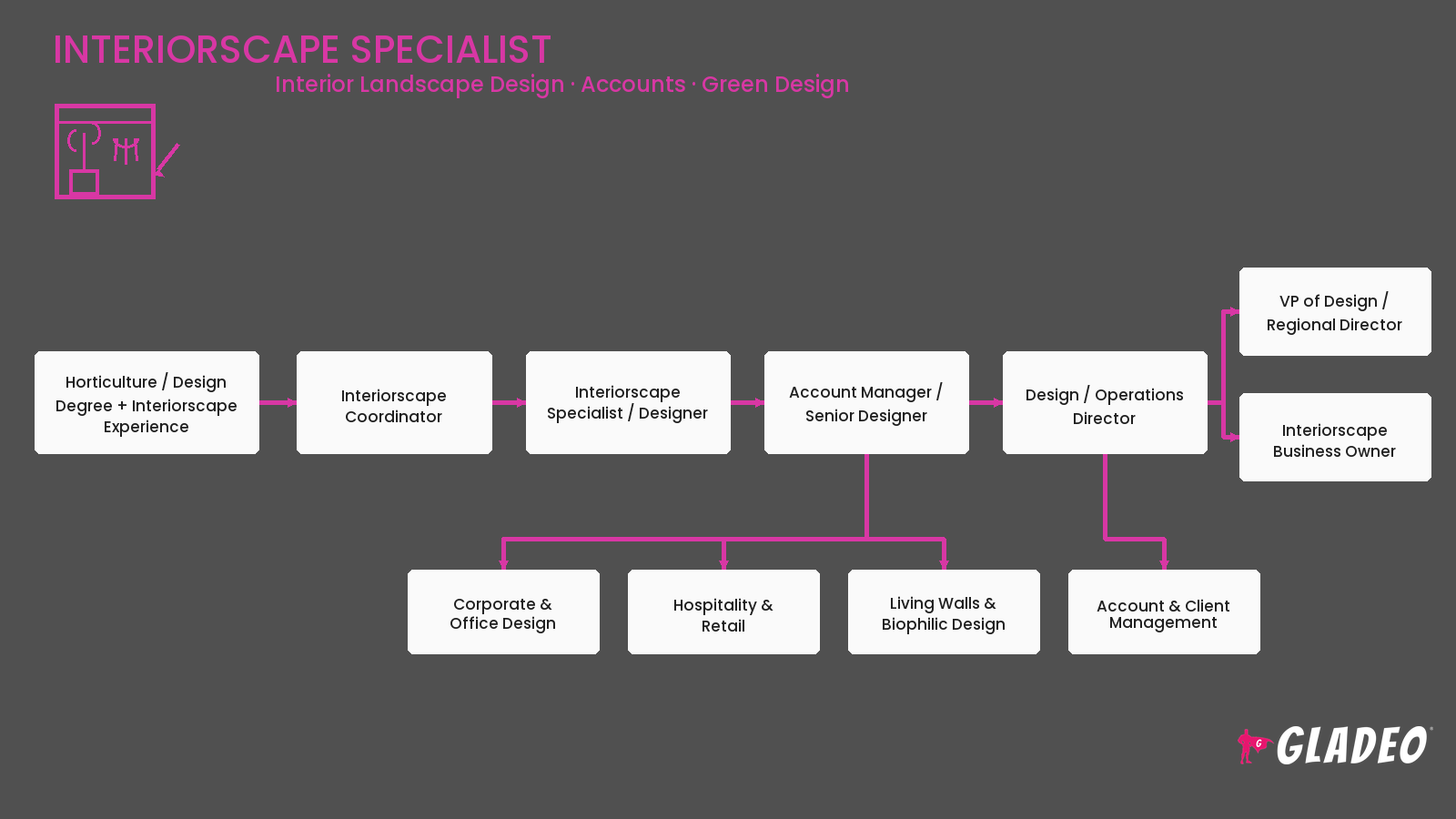
- Pursue roles in corporate or large-scale interiorscape management.
Websites:
- International Interior Plantscape Group (IIPG) - iipg.org
- Plant Care Today - plantcaretoday.com
- American Society for Horticultural Science - ashs.org
- Interior Plantscape Association - interiorscapeassociation.org
- Green Roofs for Healthy Cities - greenroofs.org
- Society of Garden Designers - garden-design.org.uk
- The Sill - thesill.com (plant care resources)
- Houzz - houzz.com (design inspiration)
- Garden Design Magazine - gardendesign.com
- Urban Plant Growers - urbanplantgrowers.com
- National Gardening Association - garden.org
- FloraCulture International - floracultureinternational.com
- Landscape Institute - landscapeinstitute.org
- Gardening Know How - gardeningknowhow.com
Books:
- The Interior Plantscape by Joe Eck and Nancy Eck
- Indoor Plant Design: How to Make Your Home a Living Work of Art by Kylee Baumle
- The Plant Care Manual by Jerry Baker
- Biophilic Design: The Theory, Science and Practice of Bringing Buildings to Life by Stephen R. Kellert
- Designing with Plants by Piet Oudolf and Noel Kingsbury
If the living art of interiorscaping isn’t quite the right fit, your skills and interests can lead to related careers that also blend creativity, nature, and design.
- Landscape Designer
- Botanical Garden Manager
- Horticulturist
- Floral Designer
- Environmental Consultant
- Greenhouse Manager
- Urban Farmer
- Event Designer
- Park Ranger
- Sustainability Coordinator
Newsfeed

Featured Jobs
Online Courses and Tools