



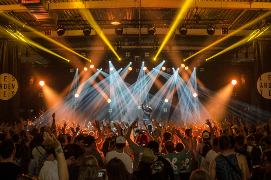


Spotlights
Lighting Technician, Entertainment Lighting Designer, Architectural Lighting Designer, Stage Lighting Specialist, Lighting Consultant, Theatrical Lighting Designer, Event Lighting Designer, Broadcast Lighting Designer, Illumination Designer, Visual Environment Designer
Have you ever watched a concert, theater performance, television show, or even walked through a beautifully lit hotel and wondered who created that atmosphere? Behind those visual experiences is often a Lighting Designer.
Lighting Designers use light as a creative tool to shape how people experience a space, event, or performance. They carefully plan where lights should be placed, how bright they should be, what colors to use, and how lighting changes throughout a production or environment. Their goal is not simply to make things visible—it is to create mood, highlight important features, guide attention, and enhance the overall experience.
These professionals work on a wide variety of projects, including theaters, concerts, television studios, architectural spaces, museums, hotels, theme parks, and corporate events. A Lighting Designer may create dramatic effects for a live performance, develop an energy-efficient lighting plan for an office building, or design an immersive lighting experience for a public attraction.
The role combines creativity, technology, and problem-solving. Lighting Designers must understand both the artistic impact of light and the technical systems that make their designs possible. By transforming ordinary spaces into engaging visual environments, they help bring stories, architecture, and events to life through the power of illumination.
- Using creativity and technology to shape how people experience a space, event, or performance
- Seeing your lighting concepts come to life during concerts, productions, and architectural projects
- Creating moods, emotions, and visual effects that leave lasting impressions on audiences
- Collaborating with architects, directors, designers, and other creative professionals
- Working on a wide variety of projects, from theaters and television studios to hotels and public landmarks
- Solving technical challenges while expressing artistic vision
- Staying at the forefront of innovative lighting technologies and design trends
- Contributing to energy-efficient and sustainable lighting solutions
- Building a portfolio of visually stunning projects that showcase your creativity
- Knowing that your work helps transform ordinary environments into memorable experiences
Working Schedule
Most Lighting Designers work full-time, but schedules often vary depending on the industry and project. Those working in theater, concerts, television, or live events may work evenings, weekends, and holidays to support rehearsals, productions, and performances. Designers involved in architectural or commercial projects typically work regular business hours but may travel to project sites, attend client meetings, or oversee installations outside of standard workdays.
Typical Duties
- Develop lighting concepts that support the goals of a performance, event, building, or public space.
- Create lighting layouts, technical drawings, and visual presentations for clients and project teams.
- Select lighting fixtures, control systems, colors, and effects based on project requirements.
- Collaborate with architects, directors, engineers, event planners, and production crews.
- Use lighting design software to visualize and test designs before installation.
- Program and adjust computerized lighting control systems.
- Conduct site visits to evaluate spaces and determine lighting needs.
- Test and refine lighting setups to achieve the desired visual impact.
- Ensure lighting plans meet safety standards, budgets, and energy-efficiency goals.
- Troubleshoot technical issues involving lighting equipment and controls.
Additional Responsibilities
- Attend rehearsals, production meetings, and project planning sessions.
- Research emerging lighting technologies and industry trends.
- Coordinate with vendors, contractors, and equipment suppliers.
- Prepare project proposals, cost estimates, and client presentations.
- Oversee installation teams and verify proper fixture placement.
- Create lighting cues and special effects for live performances and events.
- Maintain project documentation and technical records.
- Build professional portfolios and market services to potential clients.
- Train lighting technicians or mentor junior designers.
- Explore sustainable lighting solutions and smart lighting technologies.
A Lighting Designer's day may begin with reviewing project plans, creating lighting concepts, and selecting fixtures for a space, event, or production. They often use design software to visualize ideas and collaborate with clients, architects, directors, or production teams.
Throughout the day, they may visit project sites, test lighting systems, adjust effects, and solve technical challenges. Whether designing for a theater, concert, building, or event, their goal is to create lighting that enhances the experience and brings the creative vision to life.
"One of the best things about my job is that no day is the same. It depends if I am in production or rehearsal for a show and how many shows I might have on the go at once." — Paul Sfetkidis, Lighting Designer
Soft Skills
- Creativity and artistic vision
- Strong communication and collaboration skills
- Problem-solving under pressure
- Attention to detail
- Time management and organization
- Adaptability in fast-changing production environments
- Ability to work under tight deadlines
- Leadership and teamwork skills
- Strong sense of visual storytelling
Technical Skills
- Lighting design principles (color, intensity, direction, balance)
- Knowledge of lighting fixtures, LEDs, and control systems
Computer-aided design (CAD) software - Lighting visualization software (e.g., Vectorworks, AutoCAD, WYSIWYG)
- DMX programming and lighting control systems
- Basic electrical and power distribution knowledge
- Stage, architectural, or event lighting setup techniques
- Understanding of color theory and composition
- Technical drawing and blueprint reading
- Equipment setup, testing, and troubleshooting
- Architectural Lighting Designers – Focus on lighting for buildings, interiors, landscapes, and public spaces to enhance function and aesthetics.
- Theatrical Lighting Designers – Design lighting for stage plays and musicals to support mood, storytelling, and dramatic effect.
- Concert and Event Lighting Designers – Create dynamic lighting for concerts, festivals, corporate events, and live shows.
- Broadcast Lighting Designers – Design lighting setups for TV studios, news programs, talk shows, and streaming productions.
- Film Lighting Designers – Work with cinematographers to shape lighting for movies and video productions.
- Lighting Consultants – Provide expert advice on lighting design, energy efficiency, and technical planning for projects.
- Freelance Lighting Designers – Work independently across different industries such as events, architecture, and entertainment.
- Architectural and design firms
- Theater and performing arts companies
- Concert and live event production companies
- Television and broadcast studios
- Film and media production companies
- Interior design studios
- Engineering and lighting consultancy firms
- Construction and development companies
- Hotels, resorts, and hospitality groups
- Museums, galleries, and cultural institutions
- Event planning and production agencies
- Lighting manufacturing and technology companies
Lighting Designers are expected to deliver visually striking and technically precise designs under tight deadlines. Productions, events, and installations often require long hours, including nights, weekends, and rehearsals where adjustments must be made in real time. You’re responsible for ensuring that every light cue, angle, and effect works safely and effectively in fast-moving environments.
The work can be physically and mentally demanding—moving between design planning, on-site setup, and last-minute troubleshooting. Lighting Designers must stay calm under pressure while balancing creative vision with technical limitations and production needs.
The reward? Seeing your lighting transform a stage, building, or event into something powerful and memorable. When the audience feels the mood you helped create—or a space feels completely alive because of your design—that impact becomes the most fulfilling part of the job.
- Widespread use of LED and energy-efficient lighting systems in all industries
- Growing demand for smart lighting controlled by mobile apps and building automation systems
- Increased use of computer visualization and pre-visualization software before actual installation
- Expansion of immersive lighting experiences in concerts, theaters, and events
- Strong focus on sustainable and eco-friendly lighting design solutions
- Integration of lighting with multimedia, projection, and stage effects
- Rise of human-centric lighting that supports mood, health, and productivity in spaces
- Use of wireless and network-based lighting control systems for flexibility and precision
- Advancements in architectural façade lighting for buildings and landmarks
- Growing use of virtual production lighting in film and television industries
- AI-assisted tools helping designers simulate, program, and optimize lighting setups more efficiently
People who become Lighting Designers were often drawn to creative and visual activities early in life. Many enjoyed school theater productions, concerts, or stage performances—especially working behind the scenes with lights, sound, or stage setups.
Others liked photography, filmmaking, drawing, or experimenting with how light changes the look of objects and spaces. Some were curious about technology, electronics, or gaming and enjoyed building or troubleshooting small technical setups.
Many also enjoyed organizing events, decorating spaces, or experimenting with mood and atmosphere in rooms. This mix of creativity, curiosity, and interest in both art and technology often leads them toward lighting design as a career.
- A bachelor’s degree in lighting design, theater arts, architecture, interior design, electrical engineering, or a related field is often helpful, but not always required. Many Lighting Designers enter the field through hands-on experience and technical training rather than formal education alone.
- Strong portfolios and real-world project experience often matter more than academic credentials, especially in entertainment and event-based industries. Practical training through internships, assistant roles, or production crew work is highly valuable for building skills and industry connections.
- Experience in theater productions, live events, architectural projects, or broadcast environments is strongly preferred by employers and clients. Knowledge of lighting design software such as AutoCAD, Vectorworks, or WYSIWYG is essential for creating professional lighting plans and simulations.
- Training in lighting equipment, control systems, and basic electrical concepts is necessary for safe and effective work. Some professionals also earn certifications in lighting technology, stage production, or specialized systems like DMX programming or architectural lighting design.
- Many Lighting Designers continue learning through workshops, on-the-job experience, and self-directed practice, especially as lighting technology and software continue to evolve rapidly.
Employers and clients may also look for:
- Familiarity with lighting equipment, fixtures, and control systems
- Experience with CAD and lighting visualization software
- Understanding of color theory, composition, and visual storytelling
- Knowledge of electrical basics and safety standards
- Ability to collaborate with creative and technical teams
- Strong problem-solving and on-site troubleshooting skills
Take courses in theater arts, visual arts, physics, design, and technology to build a strong foundation in both creativity and technical understanding.
Join school theater productions, concerts, or event teams to gain hands-on experience with stage lighting and live production work.
Get involved in creative clubs or media-related organizations to practice teamwork and explore visual storytelling.
Learn basic lighting and design software to understand how professionals plan and visualize lighting setups.
Practice applying lighting concepts in photography, video projects, or small stage or event setups whenever possible.
Attend workshops, school events, or community productions to observe how professional lighting systems are used in real situations.
Build a portfolio of your lighting experiments, school projects, or production work to showcase your growing skills and experience.
- Seek internships or volunteer opportunities with theaters, event companies, or design studios to gain real-world exposure to the field.
- Look for courses that teach lighting design principles, visual composition, and both creative and technical aspects of lighting.
- Choose programs that provide hands-on training with professional lighting equipment, fixtures, and control systems.
- Make sure the program offers real-world projects, productions, or simulations that help build practical experience and a strong portfolio.
- Check if students have access to industry-standard software such as AutoCAD, Vectorworks, or lighting visualization tools.
- Look for classes focused on theater lighting, architectural lighting, or event production depending on your career interest.
- Prefer instructors who have real industry experience in lighting design or related creative and technical fields.
- Find programs that include internship opportunities with theaters, production companies, design firms, or event organizers.
- Select courses that develop both creative design skills and technical knowledge, including basic electrical and system understanding.
- Ensure there is mentoring, critique, and feedback from professionals to help improve your design work.
- Look for networking opportunities with designers, engineers, and production teams to help build industry connections.
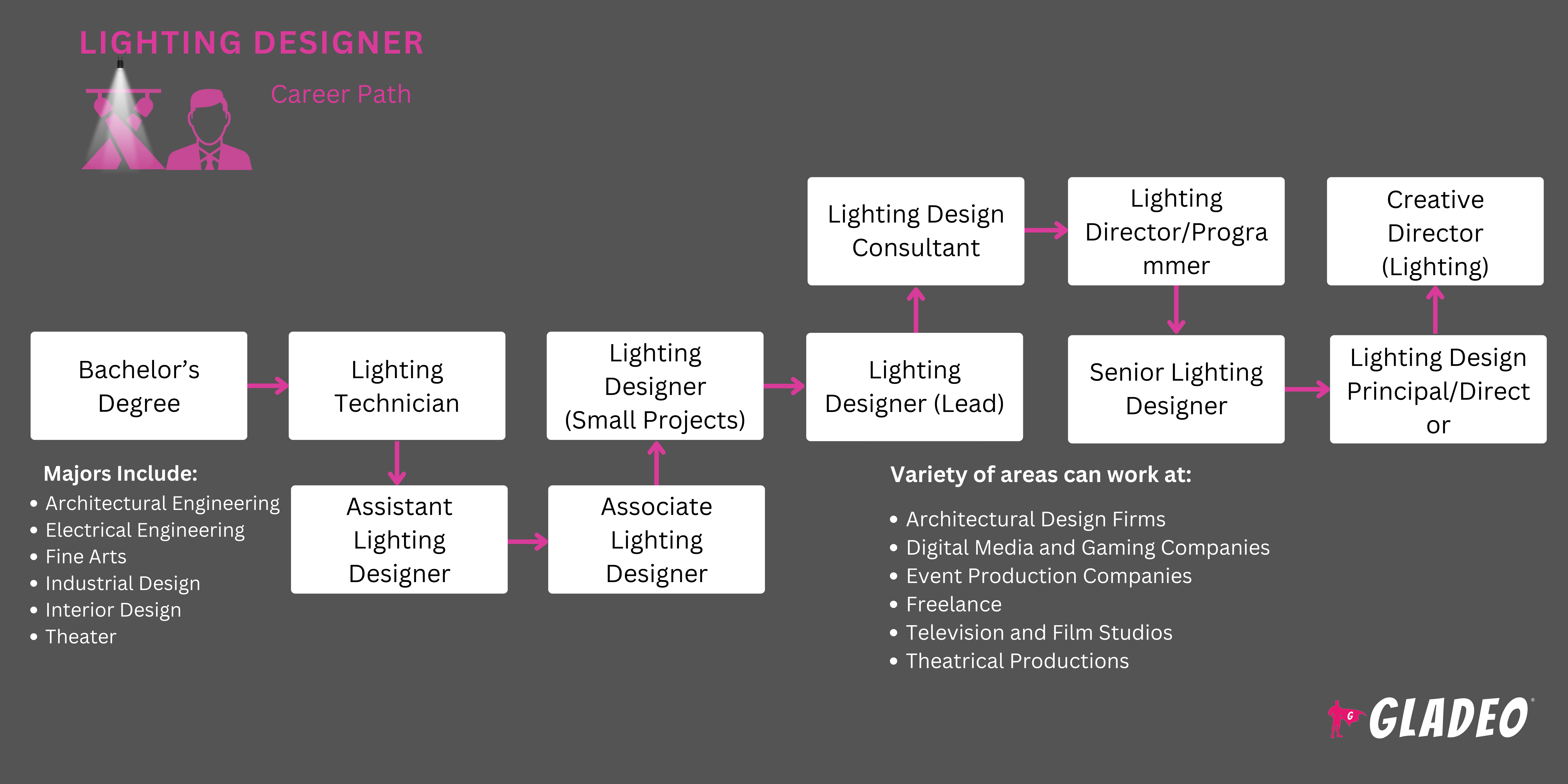
- Search for entry-level lighting roles such as “lighting technician,” “assistant lighting designer,” “stage lighting intern,” or “lighting production assistant” on job boards, theater company websites, event production companies, and entertainment industry listings.
- Tailor your resume to highlight any experience in school theater, concerts, live events, photography, video projects, or technical production work that shows your understanding of lighting and visual design.
- Include relevant coursework or training in theater arts, design, physics, visual arts, or technical production, along with any software skills in lighting or design programs.
- Attend theater productions, concerts, design expos, and industry workshops to network with lighting professionals, production teams, and creative directors.
- Apply for internships or assistant roles with theaters, event companies, broadcast studios, architectural firms, or production houses to gain hands-on experience.
- Create a portfolio or online showcase of lighting projects, stage setups, or visual work that demonstrates your creativity, technical skills, and understanding of light.
- Reach out to professionals in theater, events, architecture, or entertainment lighting for mentorship, advice, or informational interviews.
- During interviews, show that you understand how lighting shapes mood, focus, and storytelling, and explain how you can contribute to creative and technical production teams.
- Build a strong portfolio that showcases a variety of lighting work, including theater, events, architectural, or broadcast projects.
- Develop advanced skills in lighting design software, programming systems, and visualization tools used in professional production environments.
- Gain deeper expertise in specific areas such as theatrical lighting, architectural lighting, concert production, or broadcast lighting.
- Take on increasingly complex projects and volunteer for larger productions to build experience and credibility.
- Strengthen your ability to collaborate with directors, architects, producers, and technical teams on high-level projects.
- Learn project management skills, including budgeting, scheduling, and coordinating lighting crews and equipment.
- Stay updated with new lighting technologies such as LED systems, smart controls, and automated lighting solutions.
- Pursue leadership roles such as head lighting designer, lighting director, or technical supervisor on productions.
- Network consistently with industry professionals and build long-term relationships with studios, theaters, and production companies.
- Continue refining your personal design style to make your work recognizable and stand out in the industry.
Websites:
- International Association of Lighting Designers (IALD)
- Illuminating Engineering Society (IES)
- Lighting Design Online
- ArchDaily
- Dezeen
- Live Design Online
- Lighting & Sound America
- Stage Directions
- TheatreArtLife
- Autodesk Learning
- Adobe Creative Cloud
- Designboom
Books:
- The Lighting Handbook by IES
- Architectural Lighting Design by Gary Gordon
- Stage Lighting Design by Richard Pilbrow
- Light for Visual Artists by Richard Yot
- Architectural Lighting by M. David Egan
A career as a Lighting Designer requires creativity, technical skill, and collaboration, but if it’s not the right fit for you, there are still many related paths that use similar abilities in design, technology, and visual storytelling:
- Set Designer
- Stage Technician
- Event Production Coordinator
- Broadcast Technician
- Interior Designer
- Architectural Visualizer
- Multimedia Designer
- Film Production Assistant
- Audio-Visual Technician
- Creative Director
Newsfeed

Featured Jobs
Online Courses and Tools