






Spotlights
Botanical Videographer, Plant Cinematographer, Agricultural Videographer, Nature Videographer, Horticulture Videographer, Plant Documentary Filmmaker, Environmental Videographer, Greenhouse Videographer, Plant Science Videographer, Garden Videographer, Botanical Filmmaker, Plant Life Videographer
Imagine watching a breathtaking video of a flower blooming in slow motion or a time-lapse showing the growth of a towering tree from seed to full maturity. These captivating visuals that connect us to nature’s secrets come to life thanks to Plant Videographers, who bring the hidden world of plants to our screens.
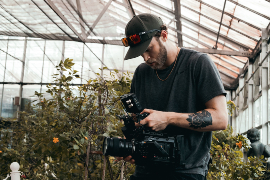
Plant Videographers specialize in capturing the beauty, science, and stories of plants and their environments. They spend their days filming in greenhouses, forests, botanical gardens, farms, and research labs, working closely with botanists, horticulturists, farmers, and educators. Their goal is to create engaging and educational videos that showcase plant growth, behavior, and ecological relationships for documentaries, educational content, marketing, or scientific studies.
Using specialized cameras, drones, macro lenses, and time-lapse technology, Plant Videographers craft detailed, high-quality visuals that reveal plant life in ways the naked eye can’t see. Their work makes plant science accessible, inspires care for the environment, and helps farmers and researchers share findings with the world.
- Watching a plant’s life cycle unfold through your lens and sharing that wonder with others.
- Collaborating with scientists and educators to create videos that teach and inspire.
- Working outdoors in beautiful natural settings and learning about diverse plant species.
- Seeing your footage used in documentaries, educational programs, or marketing campaigns that promote sustainability.
Working Schedule
Plant Videographers often have flexible schedules that depend on natural lighting and plant growth cycles. They may work early mornings or evenings to capture the best light and sometimes spend long hours setting up time-lapse shots that can run for days or weeks. Depending on the project, they might be freelancers managing their own hours or part of a media or educational organization with more structured timelines. Deadlines can be tight when working on documentaries or commercial projects, requiring focus and adaptability.
Typical Duties
- Planning and scouting locations to find optimal plant subjects and environments.
- Setting up cameras and equipment for macro, time-lapse, or drone shots.
- Filming plant growth, flowering, pollination, and other biological processes.
- Collaborating with botanists, horticulturists, and educators to understand what to capture.
- Editing footage to create clear, engaging stories or educational videos.
- Managing lighting and camera settings to highlight plant features and movement.
- Maintaining and calibrating specialized equipment such as macro lenses and intervalometers.
- Researching plant species and growth cycles to plan shoots effectively.
- Ensuring environmental conditions are suitable and do not harm plants during filming.
- Narrating or coordinating voiceovers to explain plant science concepts.
- Archiving footage and organizing digital libraries for future use.
- Adhering to safety and environmental regulations during outdoor shoots.
Additional Responsibilities
- Developing scripts or shot lists with input from scientists and educators.
- Marketing and promoting videos through social media or educational platforms.
- Training interns or assistants on filming techniques and plant care.
- Staying updated on new filming technology and plant science discoveries.
- Writing articles or blog posts to accompany videos and increase audience engagement.
- Collaborating with graphic designers for animations or overlays explaining plant processes.
- Managing budgets and schedules for independent projects.
- Attending conferences or workshops related to plant science, videography, or environmental education.
Mornings often start by reviewing footage captured overnight on time-lapse setups and adjusting camera positions or lighting for the day’s shoot. Plant Videographers check weather forecasts and prepare equipment for fieldwork or greenhouse filming.
Midday is spent filming close-ups of plants, coordinating with botanists to capture specific growth stages or behaviors, and sometimes piloting drones to get aerial views of fields or forest canopies. This is also a time for capturing interviews or narration with scientists or educators.
Afternoons and evenings involve transferring footage to editing stations, reviewing clips for quality, and beginning the rough cuts of videos. Plant Videographers might also meet with production teams to discuss project goals, deadlines, and educational messaging to ensure the videos meet audience needs.
Soft Skills
- Curiosity about nature and plant life
- Patience for long shoots and slow processes
- Creativity in visual storytelling
- Attention to detail in framing and timing shots
- Communication skills for working with scientists and clients
- Adaptability to changing weather and natural conditions
- Teamwork in collaborative environments
- Problem-solving for technical or environmental challenges
- Time management for balancing shoots and editing
- Passion for environmental education and conservation
- Observation skills to spot interesting plant behaviors
- Organizational skills for managing footage and schedules
Technical Skills
- Operating DSLR, mirrorless, and specialized macro cameras
- Using time-lapse photography equipment and software
- Drone piloting and aerial videography
- Editing video footage with software like Adobe Premiere Pro or Final Cut Pro
- Color grading and visual enhancement techniques
- Knowledge of lighting setups for indoor and outdoor shoots
- Understanding of plant biology to capture relevant visuals
- Sound recording and integration for narration or ambient sounds
- File management and digital archiving
- Basic animation or graphic overlay skills
- Documentary Plant Videographer: Focuses on creating educational or nature documentaries about plant life.
- Agricultural Videographer: Captures footage for farming operations, crop monitoring, and agricultural research.
- Horticultural Videographer: Specializes in filming garden plants, nurseries, and landscape projects.
- Environmental Educator Videographer: Produces videos for schools, parks, and conservation groups to teach about plant ecosystems.
- Greenhouse Videographer: Works inside controlled environments to document plant growth and experimental research.
- Scientific Research Videographer: Collaborates closely with scientists to film experiments and plant behavior for studies.
- Marketing Videographer: Creates promotional videos for botanical gardens, seed companies, or environmental nonprofits.
- Wildlife and Plant Interaction Videographer: Captures plants in relation to pollinators, insects, and animals, highlighting ecological connections.
- Botanical gardens and arboretums
- Agricultural research stations
- Environmental nonprofits and conservation groups
- Educational institutions and universities
- Media production companies specializing in nature content
- Farming cooperatives and agribusinesses
- Greenhouse and nursery operations
- Science museums and nature centers
- Documentary film studios
- Government environmental agencies
- Seed companies and horticultural suppliers
- Science and nature TV networks
Plant Videographers must be comfortable working outdoors in varying weather conditions and sometimes remote locations. Their work requires patience and persistence, as capturing slow plant growth or delicate pollination events can take hours or days without guaranteed results.
The job often demands irregular hours, including early mornings, late evenings, or extended shoots to catch the perfect light or time-lapse sequences. Deadlines can create pressure to deliver high-quality footage quickly, especially when working on commercial or broadcast projects.
This career can be physically demanding, involving carrying heavy equipment, standing for long periods, and navigating uneven terrain. It also requires mental focus to adapt to unexpected challenges like weather changes or equipment malfunctions, alongside maintaining strong collaboration with scientists and clients to meet project goals.
- Increasing use of drones for aerial plant and landscape videography.
- Advances in macro and microscopic filming revealing new plant details.
- Growth in time-lapse technology for showing plant life cycles.
- Integration of 4K and higher resolution cameras for stunning visuals.
- Use of VR and 360-degree video to immerse viewers in plant environments.
- Collaborations between filmmakers and scientists for accurate educational content.
- Demand for sustainable and eco-friendly filming practices.
- Expansion of online platforms for plant and nature video distribution.
- Increasing popularity of plant-based documentaries and environmental storytelling.
- Development of AI-assisted editing and color grading tools.
Many Plant Videographers discovered their passion early by exploring nature, gardening, or photographing plants and insects. They often enjoyed outdoor activities like hiking or visiting botanical gardens, fascinated by how plants grow and interact with their surroundings.
As kids, they might have spent hours drawing plants or making nature journals, combining creativity with a love for science. Early experiments with cameras or video editing software sparked an interest in telling stories through visuals, especially about the natural world.
Becoming a Plant Videographer usually involves studying film, videography, or communications, combined with courses in botany, environmental science, or agriculture. While a formal degree isn’t always required, a strong understanding of plant biology alongside technical video skills is essential.
Students can take courses in relevant subjects such as:
- Botany or Plant Biology
- Environmental Science
- Film and Video Production
- Digital Photography
- Videography Techniques
- Editing and Post-Production
- Drone Operation and Aerial Filming
- Time-Lapse Photography
- Communication and Media Studies
- Graphic Design and Animation
Hands-on experience through internships, volunteer work at botanical gardens, or assisting on nature film projects is invaluable. Building a portfolio that showcases your ability to film plants and tell engaging stories is key to entering this field. On-the-job training often helps refine specialized techniques and deepen plant science knowledge.
- Take biology and environmental science classes to understand plant life.
- Enroll in photography, video production, or media classes.
- Participate in nature clubs, gardening, or environmental groups.
- Practice filming plants and natural scenes with your own camera or phone.
- Attend workshops or camps focused on filmmaking or nature studies.
- Volunteer at local botanical gardens or farms to gain exposure.
- Build a portfolio with diverse plant footage and editing projects.
- Learn to use video editing software through online tutorials or classes.
- Explore internships in media companies or environmental organizations.
- Network with professionals through school events or social media platforms.
- Consider college programs that combine media arts with environmental studies.
- Join student film or science clubs to collaborate on projects.
- Choose programs that offer both technical video training and plant or environmental science courses.
- Look for schools with access to botanical gardens, farms, or natural habitats for hands-on filming.
- Seek programs that provide internships or partnerships with media or science organizations.
- Check if the program covers emerging technologies like drone videography and time-lapse filming.
- Prioritize schools with experienced faculty in both film production and plant sciences.
- Ensure access to editing labs and professional video equipment.
- Look for programs that encourage interdisciplinary projects and storytelling skills.
- Consider programs that offer career services and networking opportunities in media and environmental fields.
- Review student work and alumni success in related videography careers.
- Ensure curriculum includes communication skills for explaining complex science concepts.
- Choose courses that develop digital media literacy alongside scientific understanding.
- Look for programs with a balance of creative freedom and technical skill development.
- Create a demo reel featuring plant and nature footage you filmed.
- Apply for internships at botanical gardens, nature reserves, or environmental media companies.
- Offer to assist established nature or science videographers on shoots.
- Build relationships with local farms or nurseries to produce promotional videos.
- Volunteer to film educational content for schools or environmental nonprofits.
- Attend film festivals or environmental events to network and learn.
- Join online forums or social media groups focused on nature videography.
- Develop skills in video editing software through online courses or workshops.
- Pitch your video services to local science museums or parks.
- Stay updated on new filming technologies and plant science discoveries.
- Create a website or social media page to showcase your work and attract clients.
- Seek feedback on your footage from plant experts and filmmakers to improve.
- Master advanced filming techniques such as macro and drone videography.
- Build a strong professional network with scientists, educators, and filmmakers.
- Develop storytelling skills to create compelling educational content.
- Gain experience managing larger projects and budgets.
- Specialize in a niche like agricultural videography or scientific research films.
- Expand your knowledge of plant biology and environmental issues.
- Pursue certifications in drone piloting or advanced editing software.
- Collaborate on high-profile documentaries or media campaigns to build reputation.
Websites:
- American Society of Media Photographers (ASMP) - asmp.org
- International Botanical Art Society - botanicalartandartists.com
- Plant Science Bulletin by Botanical Society of America - botanical.org
- National Association of Science Writers - nasw.org
- Society of Environmental Journalists - sej.org
- Green Screen Film Festival - greenscreenfestival.org
- Plant Conservation Alliance - plantconservationalliance.org
- Drone Videography Network - dronevideography.net
- Nature Conservancy Media Resources - nature.org
- Environmental Media Association - ema-online.org
- Botanical Gardens Conservation International - bgci.org
- Farm Journal Media - farmjournalmedia.com
- National Geographic Education - nationalgeographic.org/education
- Videomaker Magazine - videomaker.com
Books:
- The Filmmaker’s Guide to Digital Imaging: for Cinematographers, Digital Imaging Technicians, and Camera Assistants by Blain Brown
- Plant Science: Growth, Development, and Utilization of Cultivated Plants by Margaret McMahon
- Nature Photography: Insider Techniques for Capturing Wildlife, Landscapes, and Close-ups by Laurie Excell
- The Art of Time-Lapse Photography by Ryan Chylinski
- Video Editing with Adobe Premiere Pro by Steve Grisetti
If you love working with plants and video but want to explore other paths, there are many related careers that blend creativity, science, and education.
- Botanist
- Nature Photographer
- Environmental Educator
- Agricultural Scientist
- Wildlife Videographer
- Horticulturist
- Science Communicator
- Documentary Film Producer
- Landscape Photographer
- Conservation Specialist
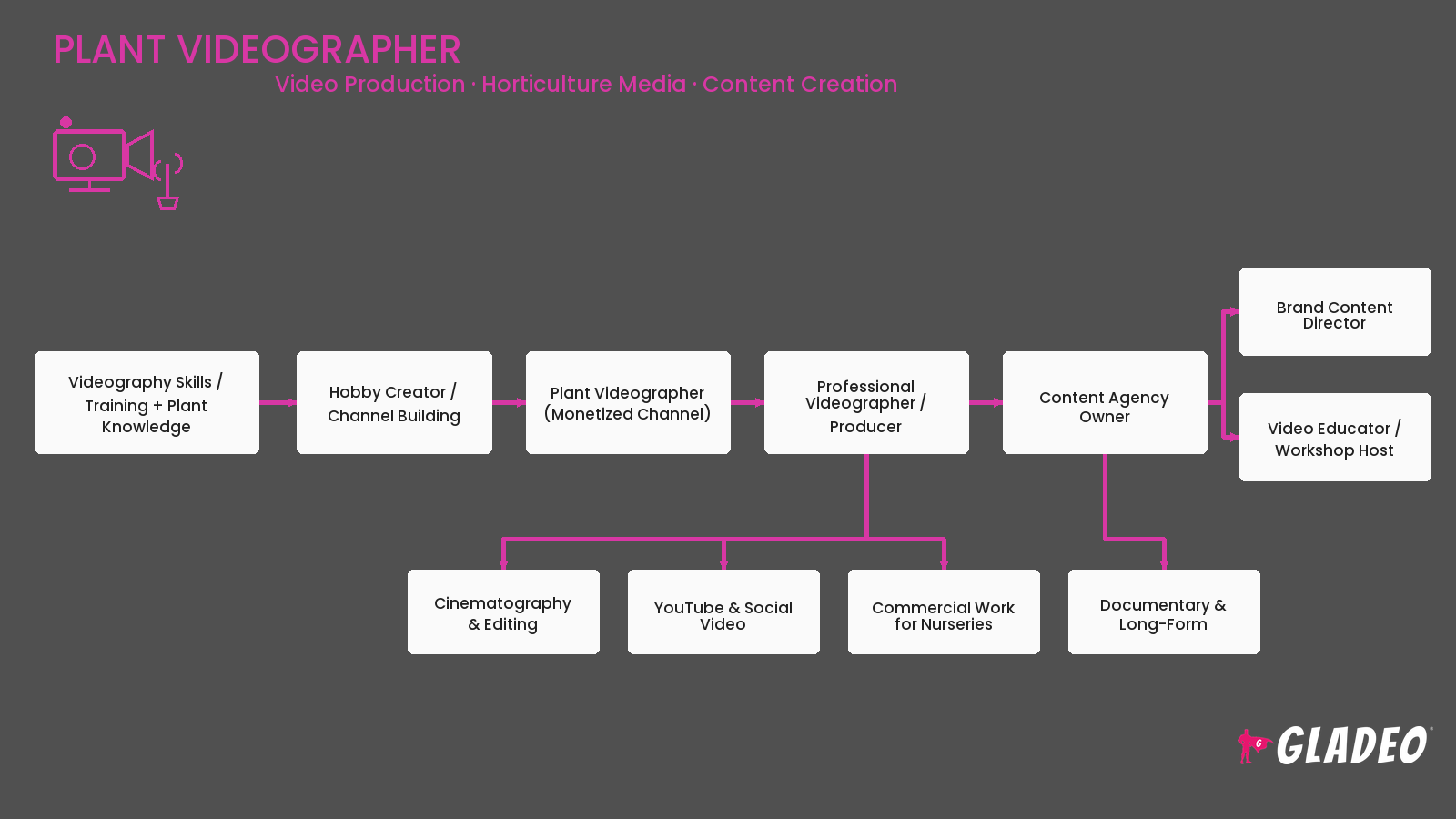
Click here to download the infographic
Newsfeed

Featured Jobs
Online Courses and Tools